NEWS
 Home / News / Industry News / What Is the Difference Between a Reduction Gearbox and a Standard Gearbox?
  2026.01.08
 Industry News
In the world of mechanical engineering and machinery, gearboxes are crucial components responsible for transmitting power between rotating shafts. They come in many types, but two of the most common are reduction gearboxes and standard gearboxes. Understanding the difference between these two types of gearboxes can be essential for selecting the right one for your application.
A gearbox is a mechanical device used to transfer power from one part of a machine to another, using a set of gears to reduce or increase the speed of rotation. Gearboxes are typically classified based on their function, design, and specific application. The basic principle involves two or more gears meshing together, changing the speed, direction, or torque of the power being transmitted.
A standard gearbox, also known as a direct drive or conventional gearbox, is designed to transmit power at a 1:1 ratio or to slightly adjust the speed or torque in typical applications. These gearboxes do not alter the speed significantly and are most commonly used where a uniform speed is required.
Key Features of Standard Gearboxes:
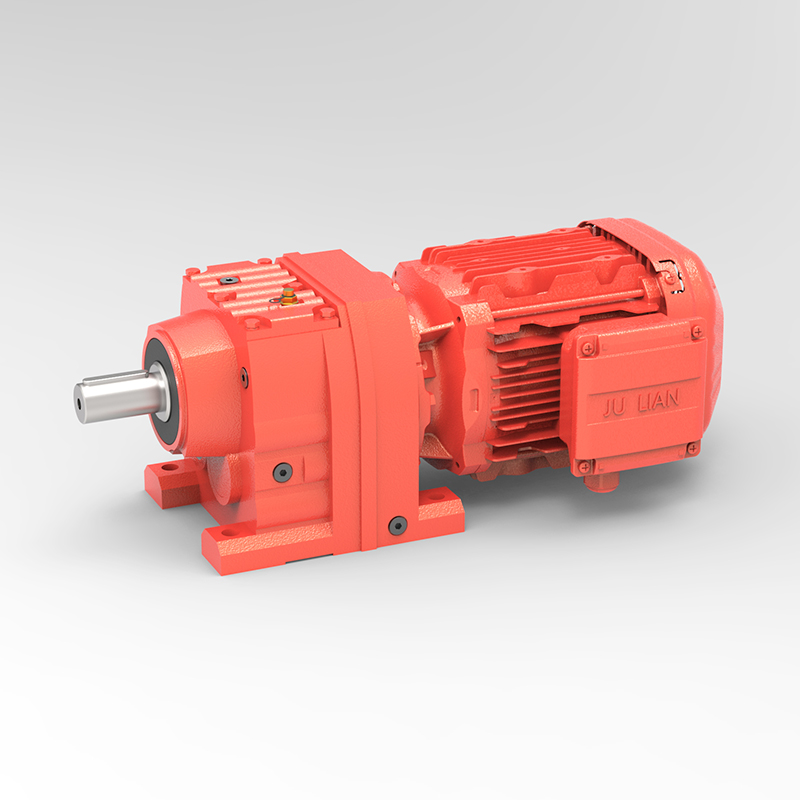
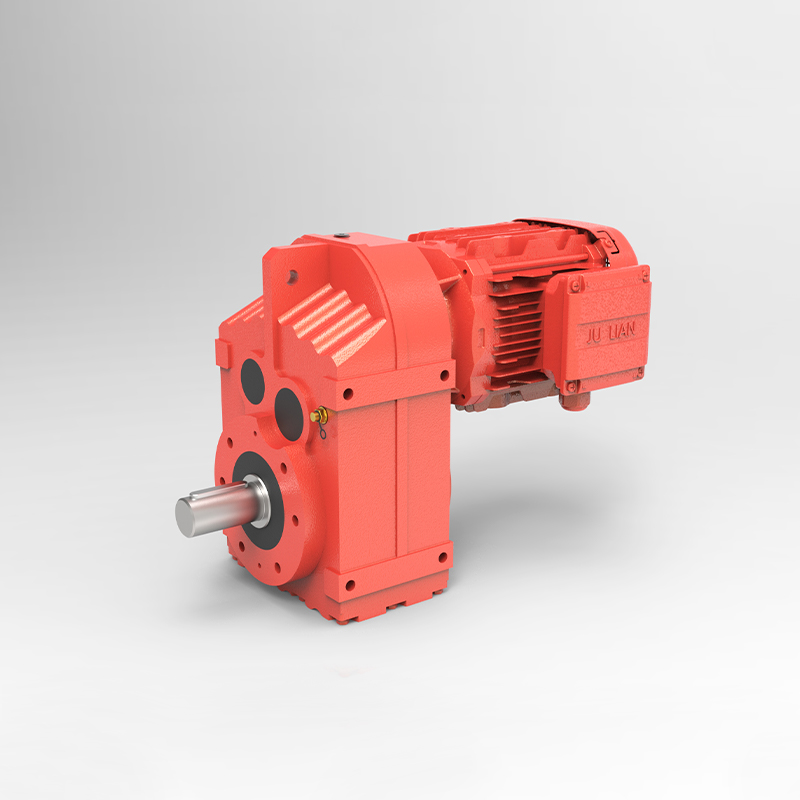
A reduction gearbox, or simply a “reducer,” is a type of gearbox that reduces the input speed and increases the output torque. This is achieved through the use of gears with different sizes and ratios. The primary purpose of a reduction gearbox is to provide high torque at low speeds, making it ideal for heavy-duty applications where torque is more important than speed.
Key Features of Reduction Gearboxes:
| Feature | Reduction Gearbox | Standard Gearbox |
|---|---|---|
| Function | Reduces speed and increases torque | Maintains or slightly adjusts speed |
| Speed | Lower speed, higher torque | Higher speed, moderate torque |
| Applications | Heavy-duty machinery, industrial equipment | Automotive, HVAC systems, light machinery |
| Design Complexity | More complex with multiple gears | Simple design with fewer components |
| Efficiency | Suitable for high-torque applications | Suitable for constant-speed operations |
Reduction gearboxes are widely used in industries that require high torque at low speeds. For example:
While reduction gearboxes are used in heavy-duty applications, standard gearboxes are more suited for lighter, more common applications where speed is prioritized over torque. Examples include:
When choosing between a reduction gearbox and a standard gearbox, it’s essential to consider the application’s specific needs. Key factors to consider include:
Understanding the differences between a reduction gearbox and a standard gearbox is crucial for selecting the appropriate one for your needs. While standard gearboxes are used in applications requiring high speed, reduction gearboxes excel in situations where high torque at low speed is required. By considering factors such as application type, torque, speed, and design, you can make an informed decision for your mechanical system.
1. What is the primary function of a reduction gearbox?
The primary function of a reduction gearbox is to reduce the input speed and increase the output torque for heavy-duty applications.
2. Can a reduction gearbox be used in high-speed applications?
No, reduction gearboxes are designed for low-speed, high-torque applications. They are not suitable for high-speed operations.
3. How does the gear ratio affect the performance of a reduction gearbox?
The gear ratio in a reduction gearbox determines the speed reduction and torque multiplication, which affects the overall performance.
4. What industries commonly use reduction gearboxes?
Industries like manufacturing, automotive, and robotics commonly use reduction gearboxes for their high-torque, low-speed needs.
5. Can a standard gearbox be used in place of a reduction gearbox?
Standard gearboxes cannot provide the same torque as a reduction gearbox and are not ideal for applications requiring high torque at low speeds.
Recommended Products



 EN
EN  English
 Español
 русский