NEWS
 Home / News / Industry News / How Does a Parallel Shaft Helical Gear Reducer Improve Energy Efficiency in Machinery?
  2026.01.15
 Industry News
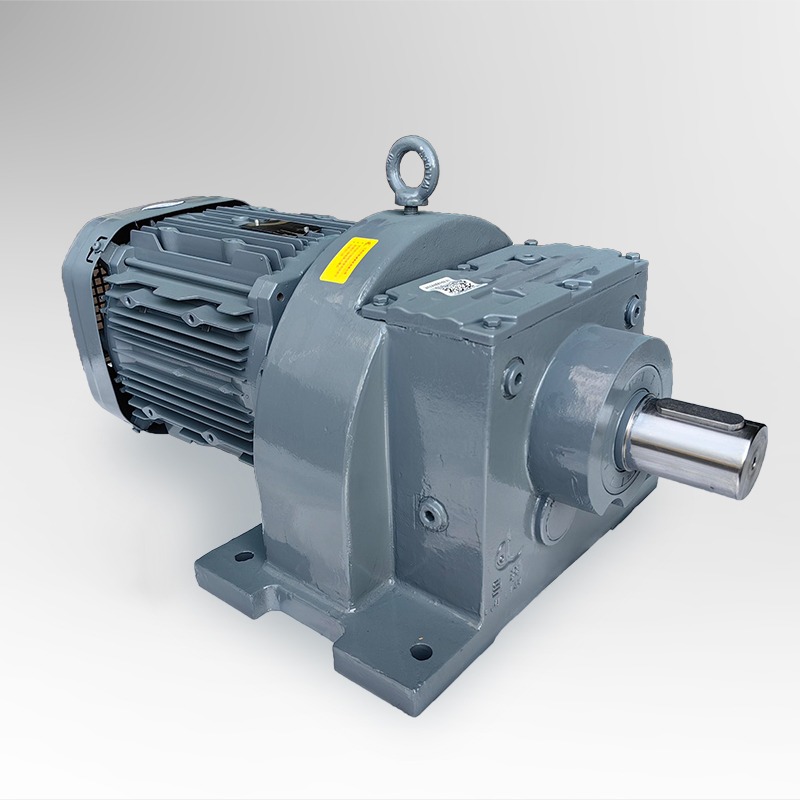
In modern industrial machinery, efficiency is crucial. One of the key components that contribute significantly to operational efficiency is the gear reducer. A parallel shaft helical gear reducer is a popular type of gear mechanism known for its ability to reduce energy loss, enhance torque output, and ultimately improve the overall energy efficiency of machinery.
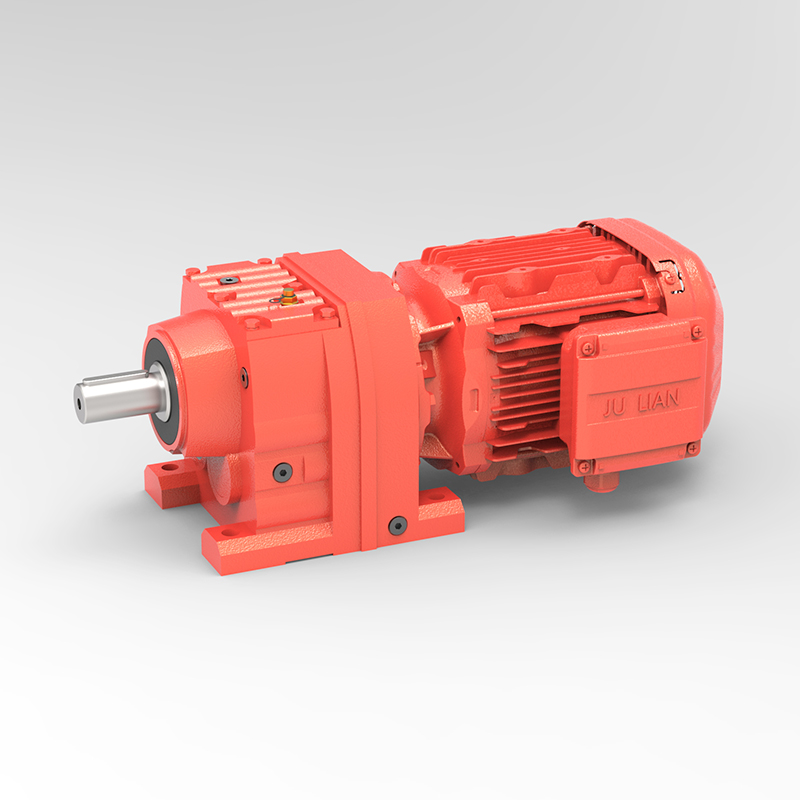
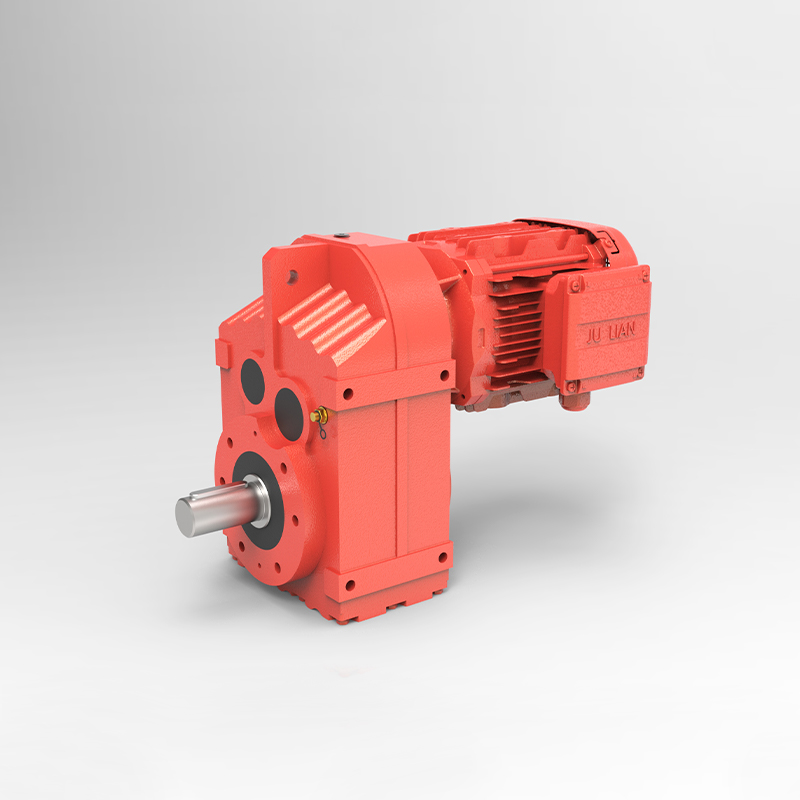
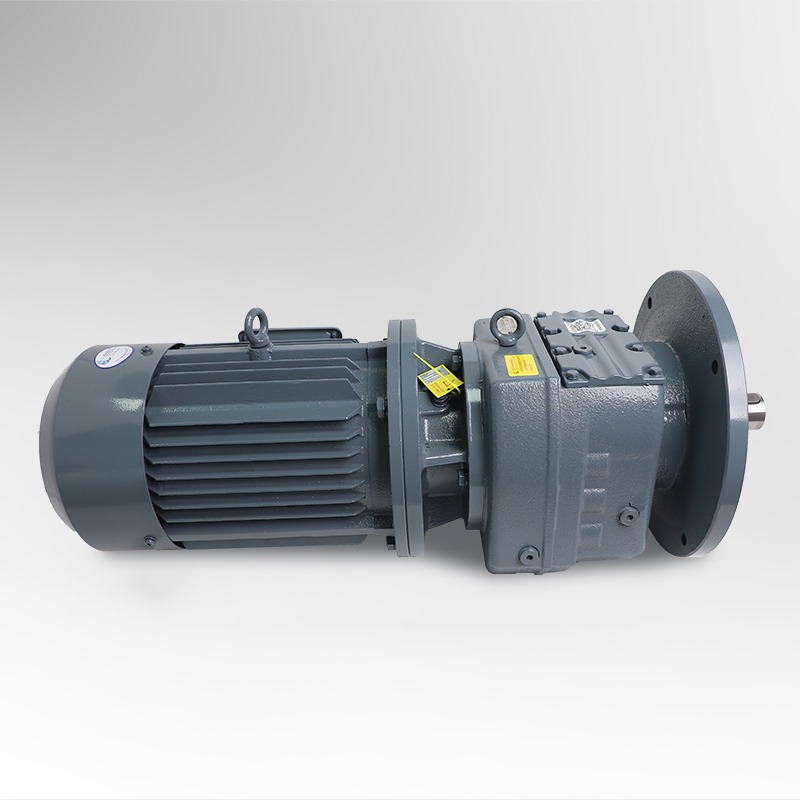
A parallel shaft helical gear reducer is a type of gear mechanism that reduces the speed of a motor while increasing the torque output. It uses helical gears mounted on parallel shafts, which are known for their smooth operation and efficient transfer of power. The helical gears provide continuous engagement and are designed to minimize the noise typically generated by other types of gears. These features make them ideal for various industrial applications.
The most significant advantage of a parallel shaft helical gear reducer is its ability to efficiently transfer power while reducing energy loss. This reduction in energy loss translates into less power consumption, which improves the energy efficiency of the machinery in which it is used.
Reduction in Power Loss
The design of a parallel shaft helical gear reducer minimizes power loss by ensuring that the gears mesh smoothly, reducing friction between the gears. This smooth operation allows for more efficient transmission of power from the motor to the machinery, ultimately reducing the amount of energy required to drive the system. Less energy is wasted in the form of heat or vibration, which translates into a more efficient process overall.
Efficient Torque Transfer
Helical gears are designed to offer a larger contact surface area between the gear teeth compared to other gear types. This provides a more even distribution of power and reduces the chances of energy loss during the transfer process. As a result, parallel shaft helical gear reducers can efficiently deliver the required torque to the machinery, allowing it to operate at its best without wasting excessive energy.
Lower Maintenance Requirements
One of the key factors that contribute to the overall energy efficiency of machinery is the frequency of maintenance required. Due to their smooth operation and reduced friction, parallel shaft helical gear reducers have lower maintenance requirements compared to other gear types. Fewer maintenance needs mean less downtime and more consistent energy output from the machinery.
Versatility in Design
Parallel shaft helical gear reducers are incredibly versatile and can be adapted to various machinery designs. This adaptability allows them to be integrated into systems that require precise control over speed and torque. The ability to optimize both speed and torque using a parallel shaft helical gear reducer ensures that the machinery can operate more efficiently in various settings, reducing unnecessary energy consumption.
Noise Reduction
Compared to other gear types, such as spur gears, parallel shaft helical gear reducers operate more quietly due to the slanted teeth of the helical gears. This reduction in noise is not just a comfort factor but also indicates that the system is running more smoothly and efficiently. When gears are engaged without causing excessive vibration and noise, it is a sign of optimal energy transfer, contributing to improved energy efficiency.
Parallel shaft helical gear reducers are commonly used in a wide range of industries, from automotive to industrial machinery. Here are some common applications:
| Industry | Application |
|---|---|
| Automotive | Transmission systems, differential gears |
| Manufacturing | Conveyor belts, elevators, cranes |
| Energy | Wind turbines, power generation systems |
| Food Processing | Mixers, pumps, packaging machinery |
| Mining | Crushers, conveyors, drilling equipment |
For manufacturers of parallel shaft helical gear reducers, these advantages translate into a growing market demand. Manufacturers are continually improving designs to reduce energy loss, enhance durability, and provide cost-effective solutions. The increasing focus on sustainability and energy savings in industrial operations has led to the development of more advanced and energy-efficient models of parallel shaft helical gear reducers.
While there are many types of gear reducers, parallel shaft helical gear reducers stand out due to their smooth operation, energy efficiency, and versatility. Let’s compare them to other common gear reducers:
| Gear Type | Advantages | Disadvantages |
|---|---|---|
| Parallel Shaft Helical | Energy-efficient, quiet operation, high torque | More complex design, higher initial cost |
| Spur Gear Reducer | Simple design, cost-effective, high-speed operation | Noisy operation, less energy-efficient |
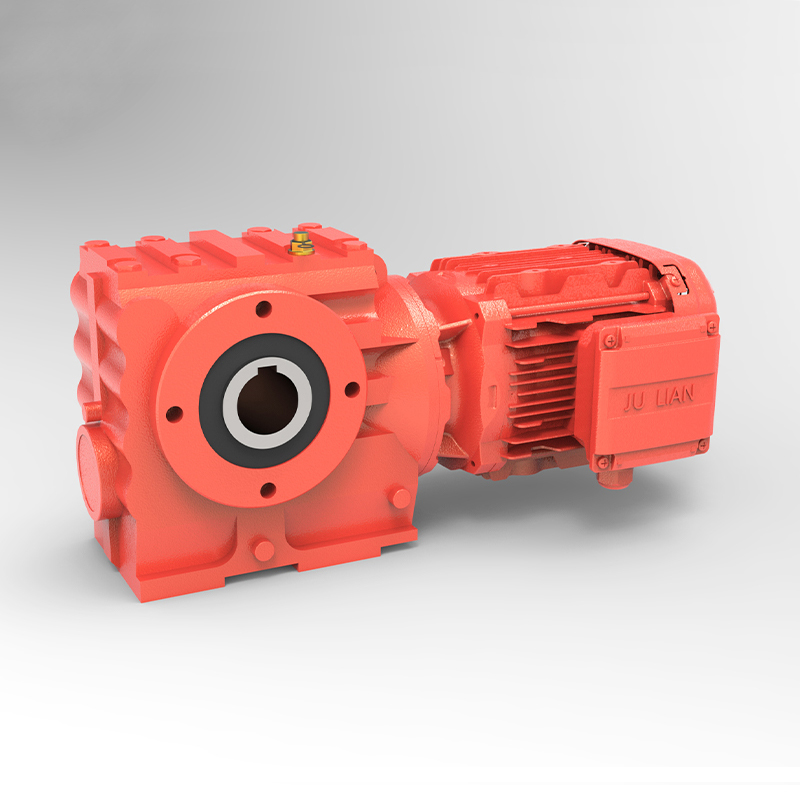
| Worm Gear Reducer | High torque, compact size, self-locking design | Lower efficiency, higher heat generation |
As shown in the table, parallel shaft helical gear reducers offer a better balance between energy efficiency and performance compared to other gear types. The initial cost may be higher, but the long-term energy savings often justify the investment.
The long-term benefits of using a parallel shaft helical gear reducer are evident when considering the energy savings. In high-demand applications, where machinery operates continuously or for extended periods, the reduction in power consumption can lead to significant cost savings. Over time, these savings contribute to a more sustainable and cost-efficient operation.
1. What is a parallel shaft helical gear reducer?
A parallel shaft helical gear reducer is a gear mechanism that reduces the speed of a motor while increasing the torque output, using helical gears mounted on parallel shafts. It is known for its smooth operation and energy-efficient performance.
2. How does a parallel shaft helical gear reducer improve energy efficiency?
It reduces power loss by ensuring smooth gear engagement, efficiently transfers torque, requires less maintenance, and operates quietly, all of which contribute to reduced energy consumption.
3. What industries benefit from using parallel shaft helical gear reducers?
Industries such as automotive, manufacturing, energy, food processing, and mining benefit from the energy-efficient design of parallel shaft helical gear reducers in various applications, including conveyors, mixers, and turbines.
4. Are parallel shaft helical gear reducers more expensive than other types?
Yes, they tend to have a higher initial cost compared to other gear types, but the long-term energy savings often justify the investment.
5. Can parallel shaft helical gear reducers be used in high-torque applications?
Yes, parallel shaft helical gear reducers are known for their ability to handle high-torque applications efficiently, making them ideal for demanding machinery and industrial systems.
Recommended Products



 EN
EN  English
 Español
 русский