NEWS
 Home / News / Industry News / What Are the Maintenance Best Practices for Long-Lasting Helical Gear Reducers?
  2026.01.22
 Industry News
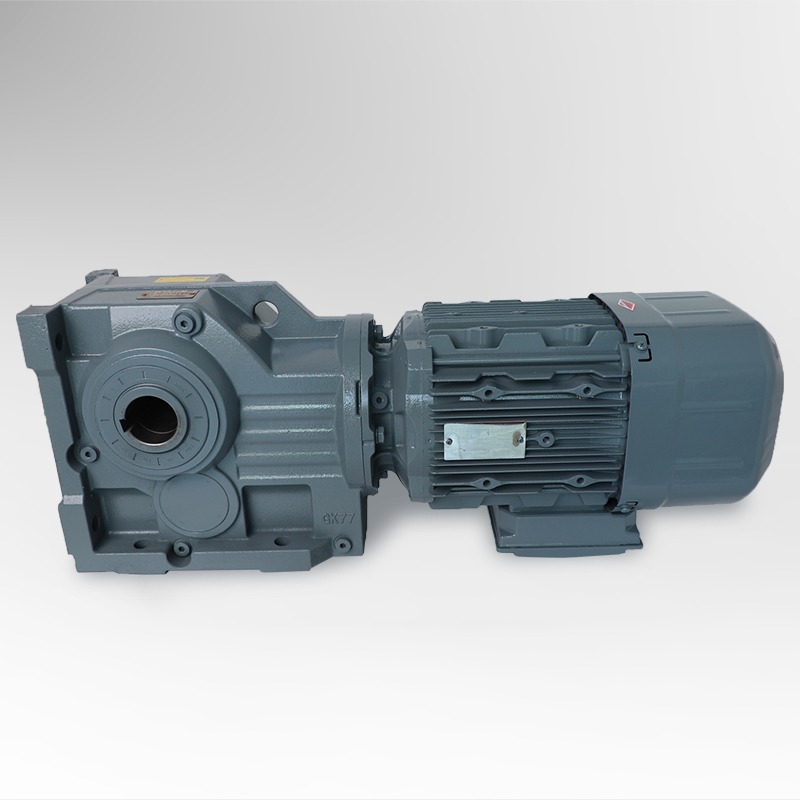
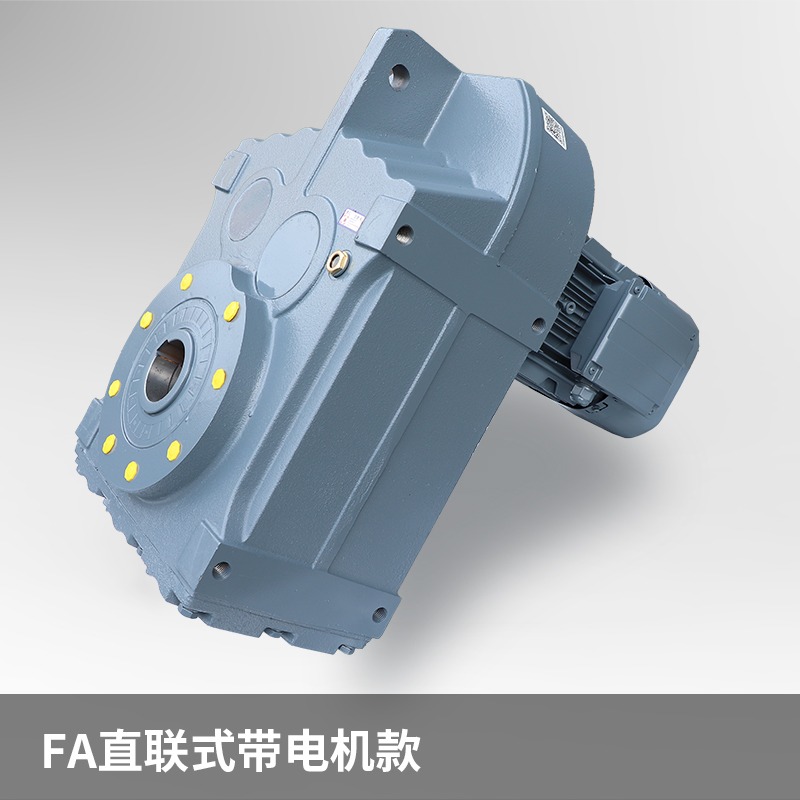
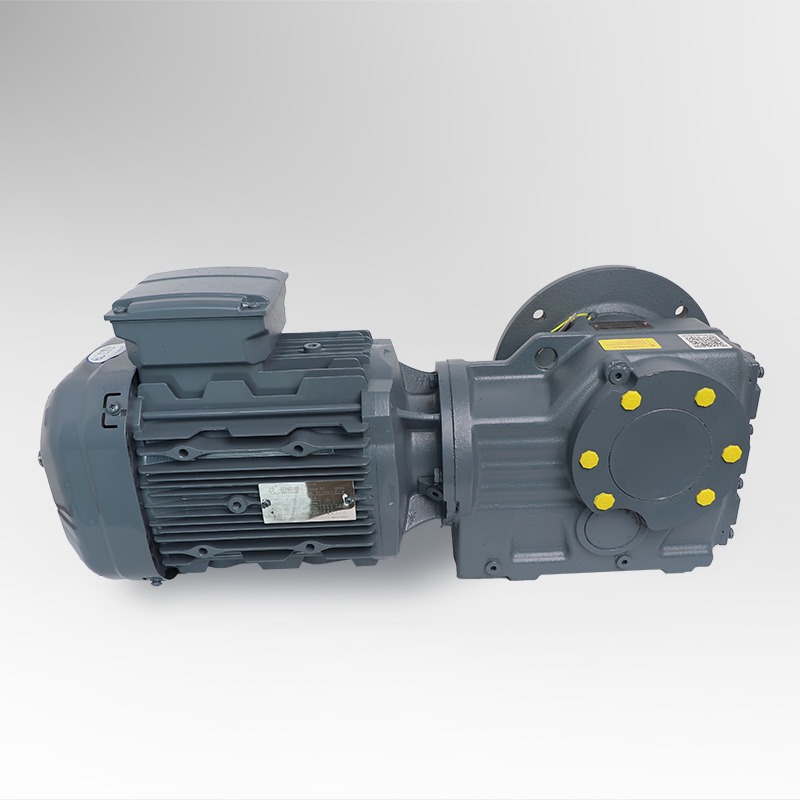
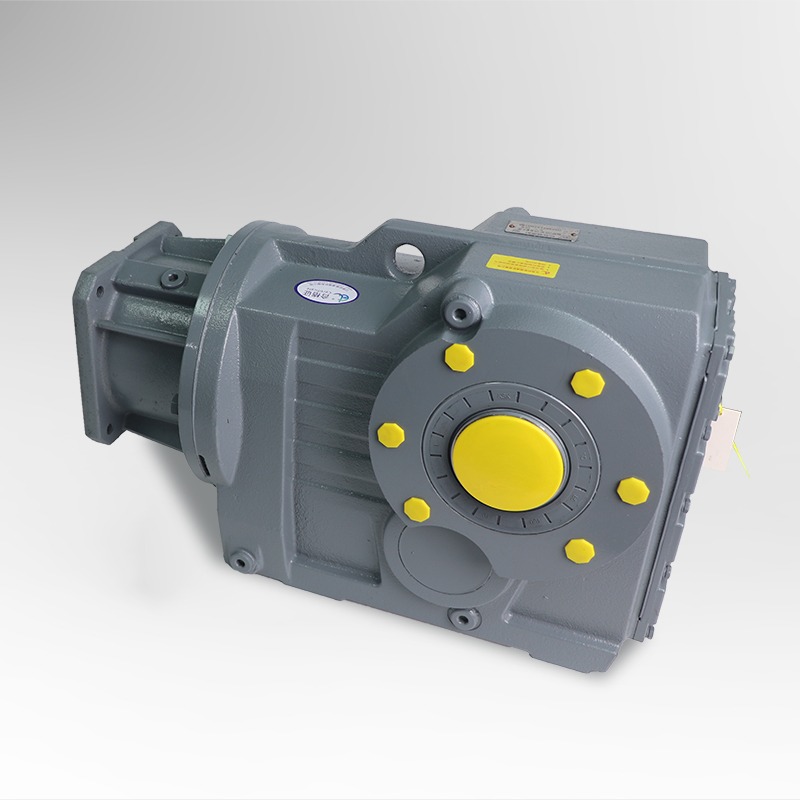
Helical gear reducers are widely used in industries such as manufacturing, automotive, and energy due to their ability to efficiently transfer power and reduce the speed of motors. These devices are vital in ensuring that machinery operates smoothly, reducing wear and tear, and improving operational efficiency. However, to ensure they deliver consistent performance over time, regular maintenance is essential.
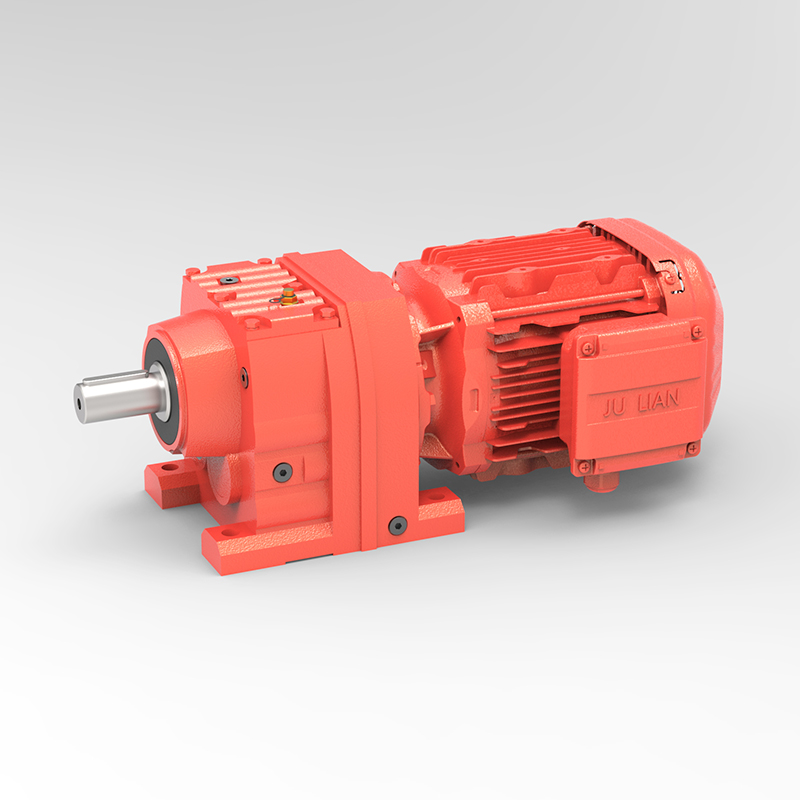
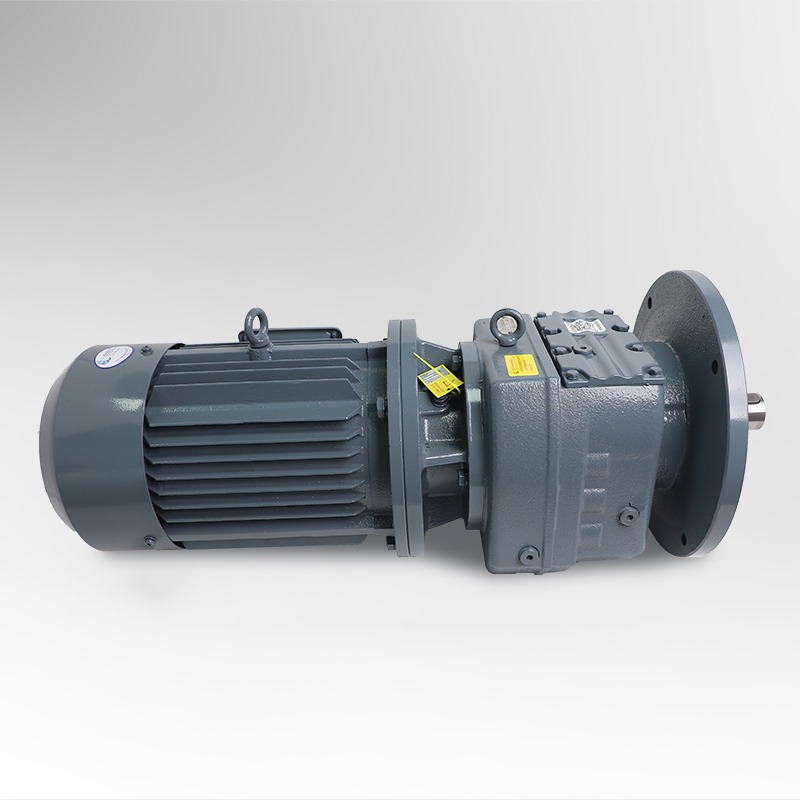
A helical gear reducer is a type of gearbox with helical gears that provide a smoother and quieter operation compared to other types of gear reducers. These devices are designed to convert high-speed input into a low-speed output while increasing torque. They are commonly used in various industries, including material handling, conveyors, and automotive applications.
The key components of a helical gear reducer include the gears, bearings, seals, shafts, and lubrication system. These parts work together to reduce the motor’s speed while increasing torque and providing mechanical advantage. Proper maintenance ensures that each component operates optimally.
One of the primary factors contributing to the performance of a helical gear reducer is the condition of the gear teeth. Regular inspections should be conducted to check for signs of wear, chipping, or cracks. This can be done visually or through non-destructive testing methods like magnetic particle testing or ultrasonic inspection.
Maintenance Tips:
Lubrication is essential for the smooth operation of helical gear reducers. Proper lubrication reduces friction between the gear teeth and other moving parts, preventing excessive wear and heat buildup. The type and amount of lubricant required will depend on the specifications of the helical gear reducer.
Maintenance Tips:
Excessive heat can significantly impact the lifespan of a helical gear reducer. Operating temperatures should be monitored regularly to ensure they remain within the optimal range. Overheating can cause damage to seals, bearings, and the lubricant, leading to failure.
Maintenance Tips:
Leaks in the seals of a helical gear reducer can lead to lubricant loss, which can result in increased friction and wear. It’s important to check the seals regularly for any signs of leakage, especially around the input and output shafts.
Maintenance Tips:
Bearings play a crucial role in the smooth rotation of the gear reducer. Over time, bearings can wear out due to constant rotation and pressure. Regularly inspect the bearings for signs of wear, such as unusual noises or vibrations.
Maintenance Tips:
Even with regular maintenance, helical gear reducers can experience issues. Below are some common problems and their solutions:
| Issue | Cause | Solution |
|---|---|---|
| Excessive noise | Misalignment, worn gears, or bearings | Check alignment and replace worn parts |
| Overheating | Inadequate lubrication or excessive load | Ensure proper lubrication and reduce load |
| Vibration | Worn bearings or unbalanced gears | Inspect and replace bearings if necessary |
| Oil leakage | Worn seals or damaged gaskets | Replace seals and gaskets promptly |
| Gear slippage | Incorrect gear mesh or lubrication issues | Check gear alignment and lubrication |
Lubrication plays a pivotal role in the performance and longevity of helical gear reducers. The correct type and amount of lubricant ensure smooth operation, reducing the likelihood of friction and wear.
To get the most out of a helical gear reducer, optimizing its performance is key. This includes regular servicing, proper load distribution, and maintaining ideal operating conditions. Periodically review the operational environment to ensure it meets the necessary standards for the equipment to function efficiently.
Maintenance Checklist:
A helical gear reducer is a critical component in many industrial applications, and proper maintenance is essential for maximizing its lifespan and performance. By following the best practices outlined in this article—such as regular inspections, lubrication maintenance, temperature monitoring, and timely repairs—you can ensure that your helical gear reducer operates smoothly and reliably. Remember, proactive maintenance is key to preventing costly downtime and maximizing efficiency.
1. What is the typical lifespan of a helical gear reducer?
The lifespan of a helical gear reducer depends on factors such as maintenance, operating conditions, and the quality of components. With proper care, they can last anywhere from 5 to 10 years.
2. How often should I check the lubricant in my helical gear reducer?
It is recommended to check the lubricant every 3-6 months and change it based on the manufacturer’s guidelines or if signs of contamination or degradation are present.
3. What are the signs that a helical gear reducer needs repair?
Common signs include unusual noises, vibrations, overheating, or oil leakage. If you notice any of these, it’s important to perform a detailed inspection and replace faulty components.
4. Can I use any type of oil for my helical gear reducer?
No, it is important to use the recommended type of oil or grease specified by the manufacturer for optimal performance and to avoid damage.
5. What should I do if my helical gear reducer is overheating?
Check for insufficient lubrication, excessive load, or a malfunctioning cooling system. Address the root cause by adjusting the load, replacing the lubricant, or fixing the cooling system.
Recommended Products



 EN
EN  English
 Español
 русский