NEWS
 Home / News / Industry News / How Do Parallel Shaft Helical Gear Reducers Compare to Other Gear Types in Terms of Performance and Durability?
  2026.01.01
 Industry News
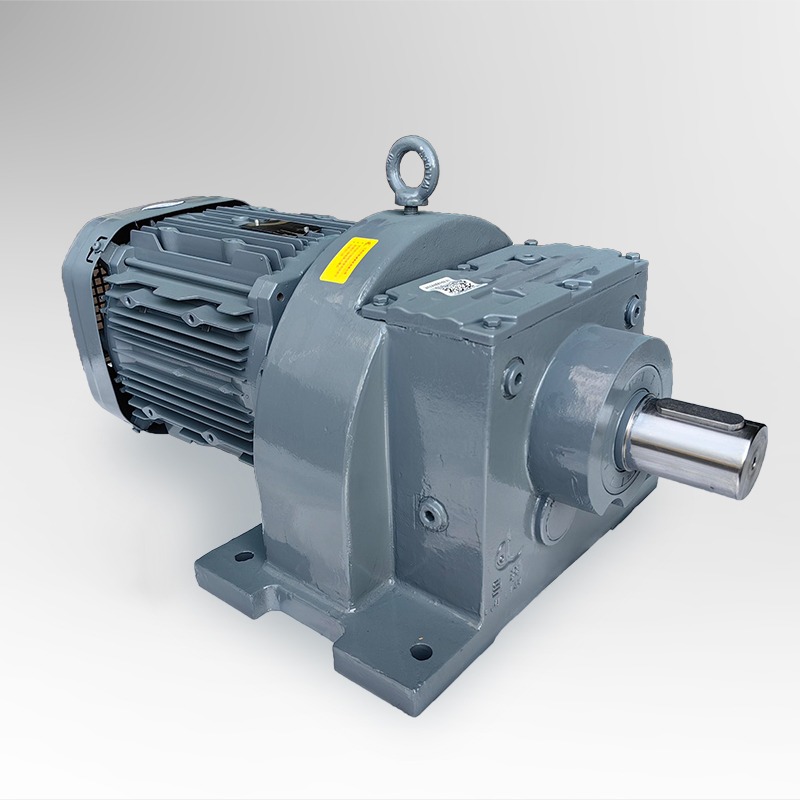
Gears are critical components in machinery, converting motion and torque from one shaft to another in a variety of mechanical applications. Among the many gear types, the parallel shaft helical gear reducer stands out for its efficiency and durability.
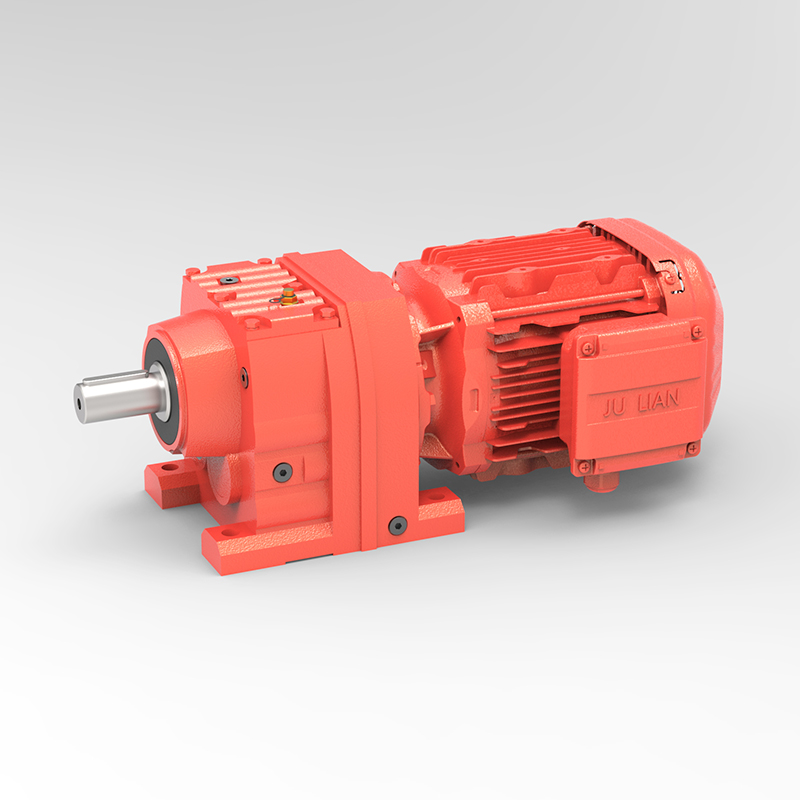
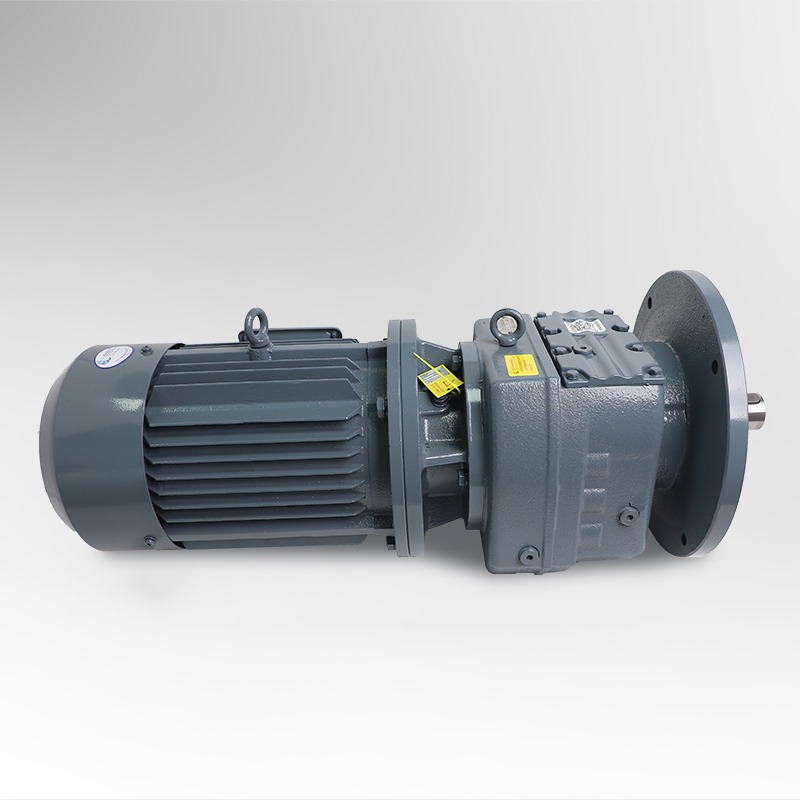
Parallel shaft helical gear reducers are used in mechanical systems where smooth, efficient, and high-torque transmission is required. These gears feature helical teeth cut at an angle, which allows for a gradual and continuous engagement of the gear teeth. This provides a quieter operation compared to straight-cut gears and offers higher load capacity and efficiency.
The key advantages of parallel shaft helical gear reducers include:
High efficiency: They can transmit large amounts of torque with minimal loss.
Smooth operation: Their helical design minimizes vibration and noise.
Durability: The tooth engagement distributes load over a larger surface area, reducing wear and tear.
Compact design: Their parallel shaft arrangement allows for a more compact, space-efficient design.
Efficiency: Parallel shaft helical gear reducers are known for their high efficiency due to their smooth and continuous tooth engagement. They exhibit less friction and heat generation compared to other gear types, allowing them to handle higher torque with greater efficiency.
Torque Handling: These reducers are excellent at handling higher loads due to the inclined tooth design. The distribution of the load over the surface area leads to better torque handling and reduced stress on individual teeth.
Speed Control: Parallel shaft helical gear reducers are suitable for applications requiring precise speed control. Their design allows them to offer a consistent output speed, which is essential in many industrial applications.
Spur Gears: Spur gears are the simplest type of gear and are often used in low-torque applications. However, they tend to be noisier and less efficient than helical gears. They also experience more wear and tear under heavy load conditions because their teeth engage abruptly.
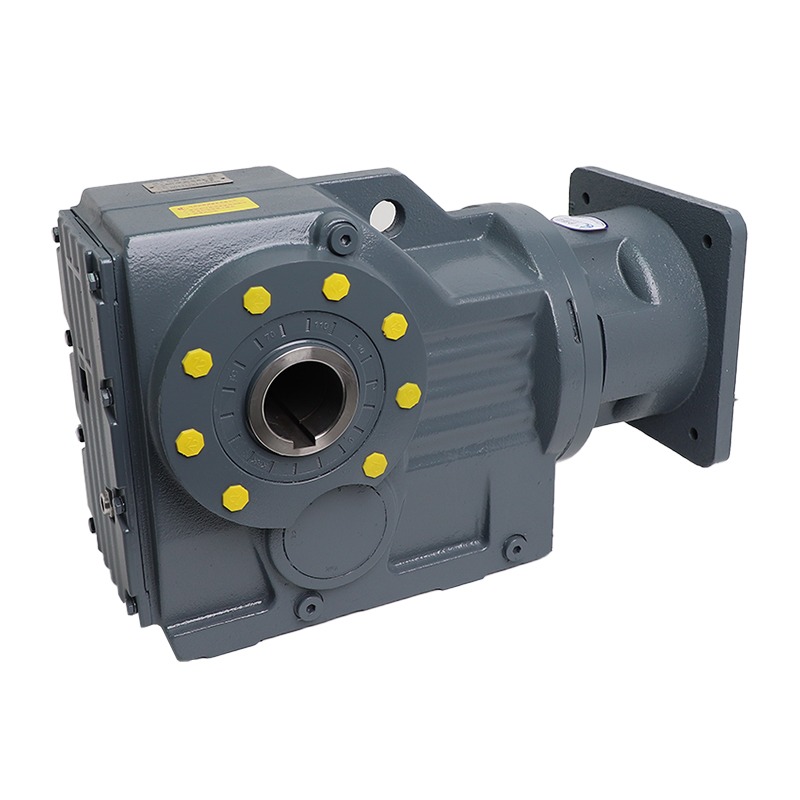
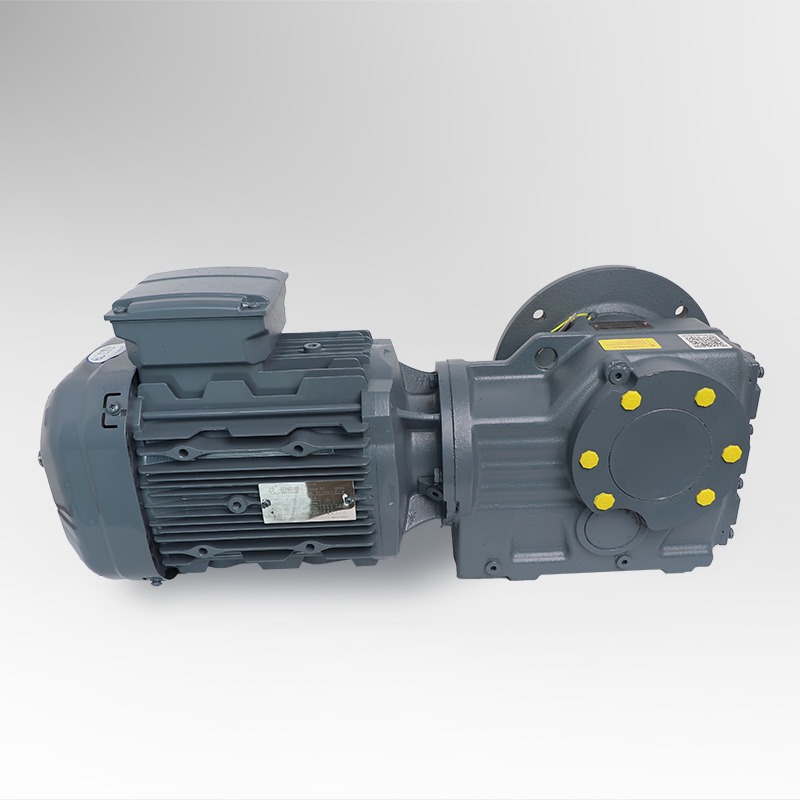
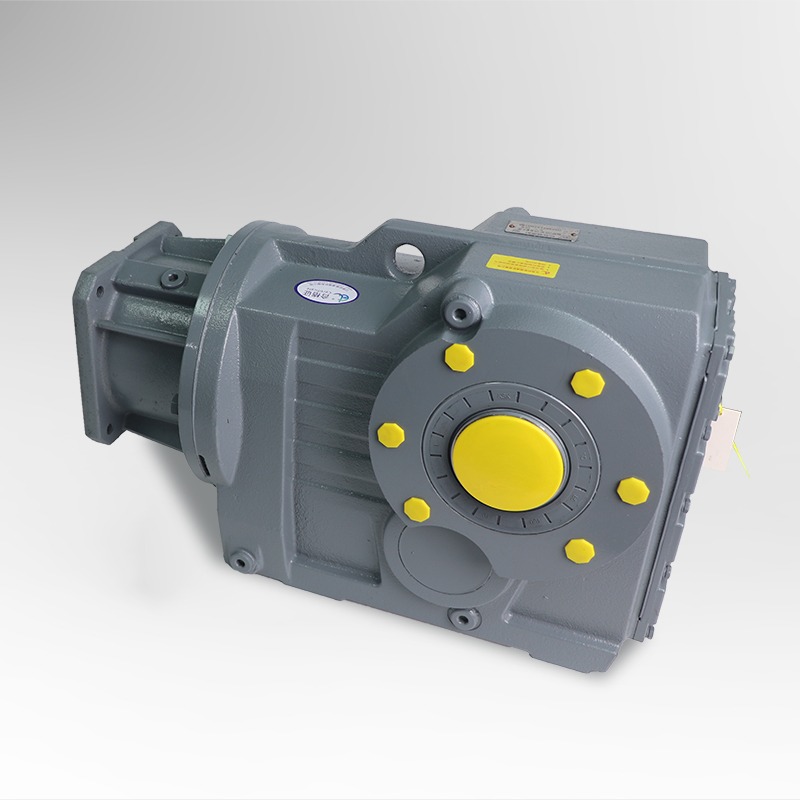
Bevel Gears: Bevel gears are commonly used when the shafts intersect at an angle. While they can handle high torque, they are typically more complex to design and manufacture. They are also prone to higher wear rates compared to helical gears.
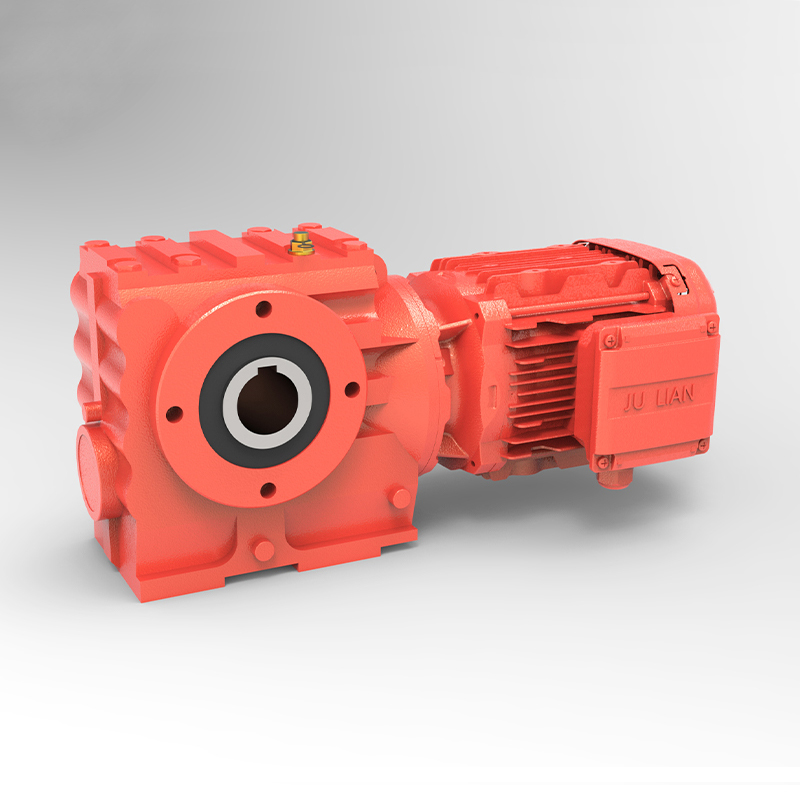
Worm Gears: Worm gears are used for high reduction ratios, but they are generally less efficient than helical gears due to the sliding contact between the worm and the gear. This sliding contact generates more heat and friction, reducing their performance over time.
One of the standout features of parallel shaft helical gear reducers is their durability. The helical teeth are in constant engagement, which leads to less shock loading and vibration, thereby reducing wear. Additionally, the load is distributed evenly across the teeth, minimizing localized stress and increasing the overall lifespan of the reducer.
These reducers are designed to handle high torque and heavy loads while maintaining low operating temperatures, which helps prevent overheating and premature failure.
Spur Gears: Spur gears tend to wear out more quickly under high load conditions because the teeth engage suddenly. This results in higher stress on individual teeth, leading to faster deterioration over time. Spur gears also tend to be louder, which can be indicative of higher friction and wear.
Bevel Gears: Bevel gears are generally durable, but their design can make them prone to misalignment over time, especially in high-torque applications. Proper maintenance is crucial to ensure their long-term performance.
Worm Gears: Worm gears suffer from increased wear due to the sliding friction between the worm and the gear. This friction generates heat, which can lead to faster degradation of the gear teeth. While they provide excellent reduction ratios, their durability in heavy-duty applications can be limited.
Parallel shaft helical gear reducers are commonly used in applications where smooth, high-torque, and durable performance is needed. These include:
Industrial machinery: Such as conveyors, mixers, and crushers that require consistent and reliable performance.
Automated systems: Where high precision and durability are critical.
Robotic systems: The smooth operation and compact design of these reducers make them ideal for robotic applications that require efficient torque transmission in tight spaces.
While parallel shaft helical gear reducers may come at a higher initial cost compared to other gear types, their long-term durability and performance often result in cost savings. They require less maintenance due to their efficient operation and reduced wear, which means less downtime and fewer repairs over the life of the equipment.
Other gear types, such as spur gears or worm gears, may require more frequent maintenance and replacement, leading to higher overall costs.
In conclusion, parallel shaft helical gear reducers offer superior performance and durability compared to other common gear types, such as spur gears, bevel gears, and worm gears. Their smooth operation, high torque handling, and efficient design make them an ideal choice for applications that demand high reliability and low maintenance.
Q1: What is a parallel shaft helical gear reducer?
A parallel shaft helical gear reducer is a type of gear mechanism where the shafts are parallel, and the gears have helical teeth that provide smooth, quiet, and efficient operation.
Q2: How does a parallel shaft helical gear reducer compare to spur gears?
Parallel shaft helical gear reducers offer smoother operation, higher efficiency, and better torque handling than spur gears. They are also quieter and more durable under heavy loads.
Q3: What are the main advantages of using parallel shaft helical gear reducers?
The key advantages include high efficiency, reduced noise and vibration, increased torque handling capacity, and durability in demanding applications.
Q4: Are parallel shaft helical gear reducers suitable for high-torque applications?
Yes, parallel shaft helical gear reducers are excellent for high-torque applications due to their efficient tooth engagement and load distribution.
Q5: Do parallel shaft helical gear reducers require regular maintenance?
Parallel shaft helical gear reducers require less frequent maintenance compared to other gear types, thanks to their smooth operation and reduced wear.
Recommended Products



 EN
EN  English
 Español
 русский