NEWS
 Home / News / Industry News / What Are the Common Problems of Reduction Gearboxes and How Can They Be Prevented?
  2025.12.25
 Industry News
In modern industrial systems, power transmission efficiency and motion control accuracy are critical factors that directly affect productivity, equipment lifespan, and operational safety. Among the many mechanical components involved in these processes, the reduction gearbox plays a central role. By converting high-speed, low-torque input into low-speed, high-torque output, a reduction gearbox enables machines to operate under optimal load conditions while maintaining stability and precision.
Despite its importance, the reduction gearbox is not immune to failure. Over time, improper selection, inadequate maintenance, harsh operating environments, or design mismatches can lead to various performance issues. These problems not only reduce efficiency but may also cause unexpected downtime and increased maintenance costs.
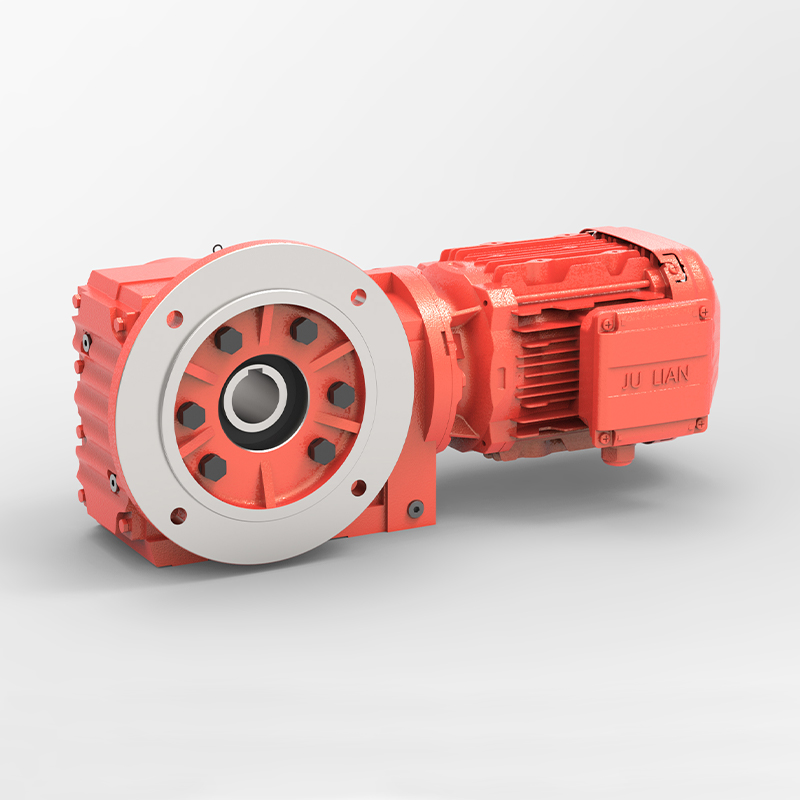
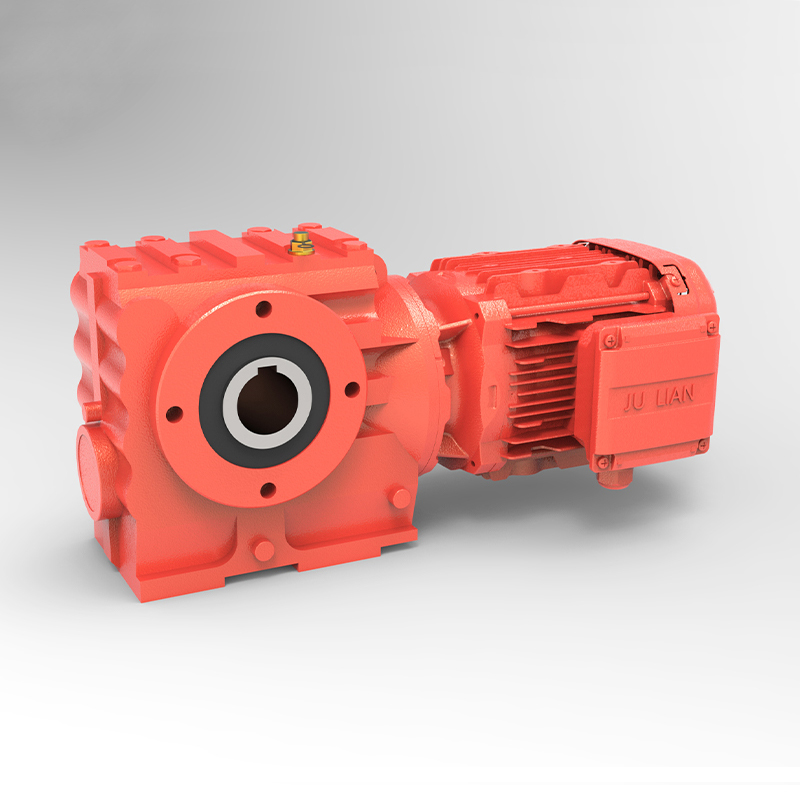
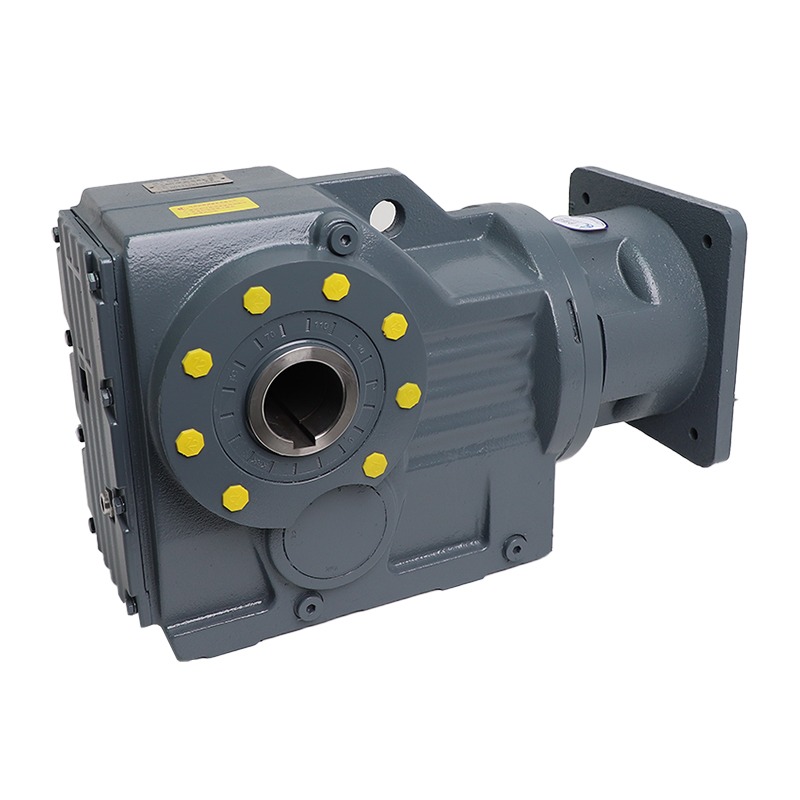
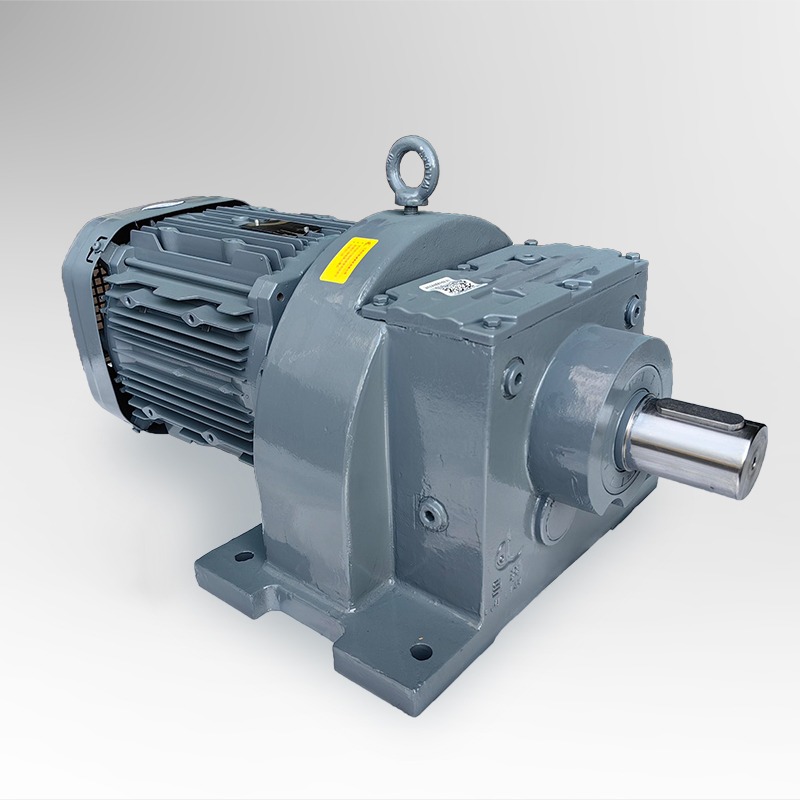
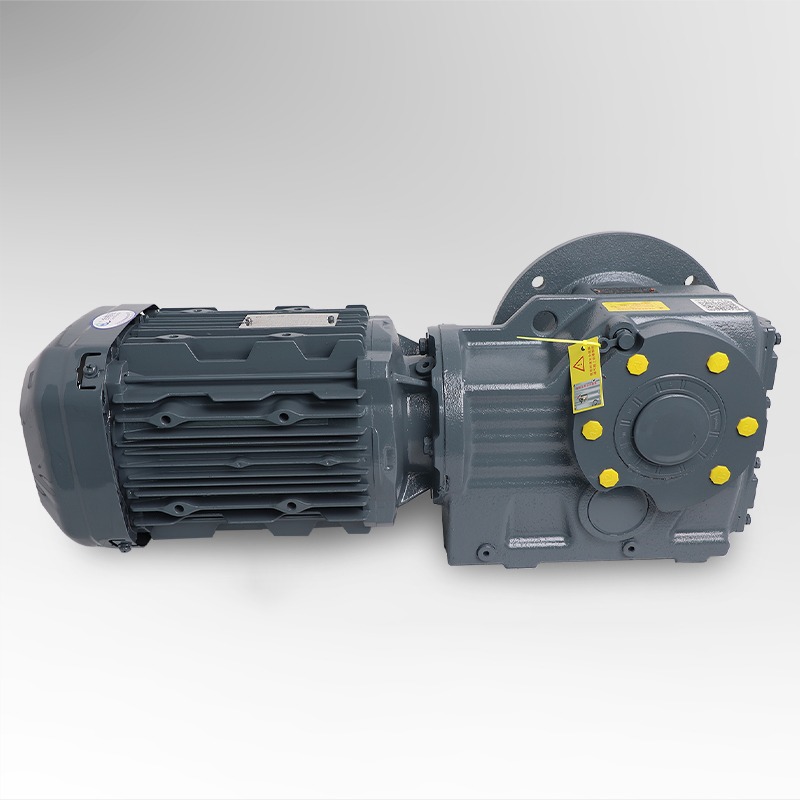
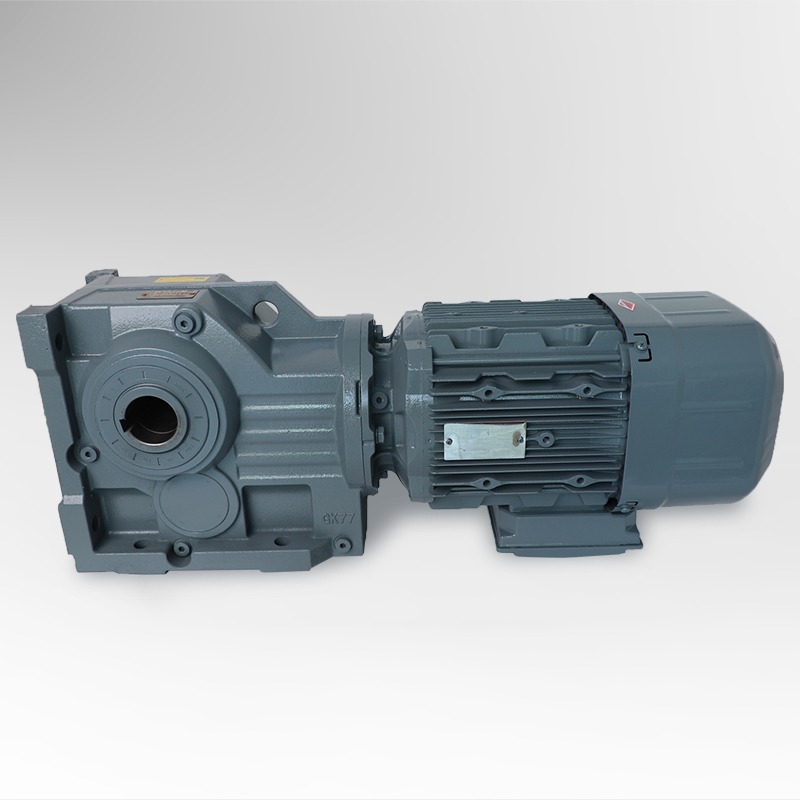
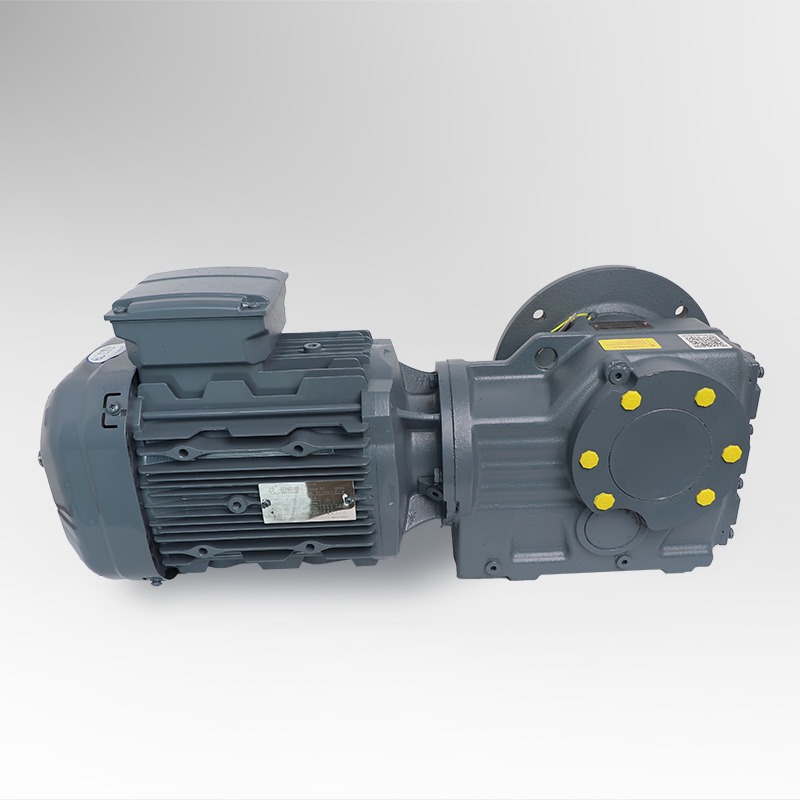
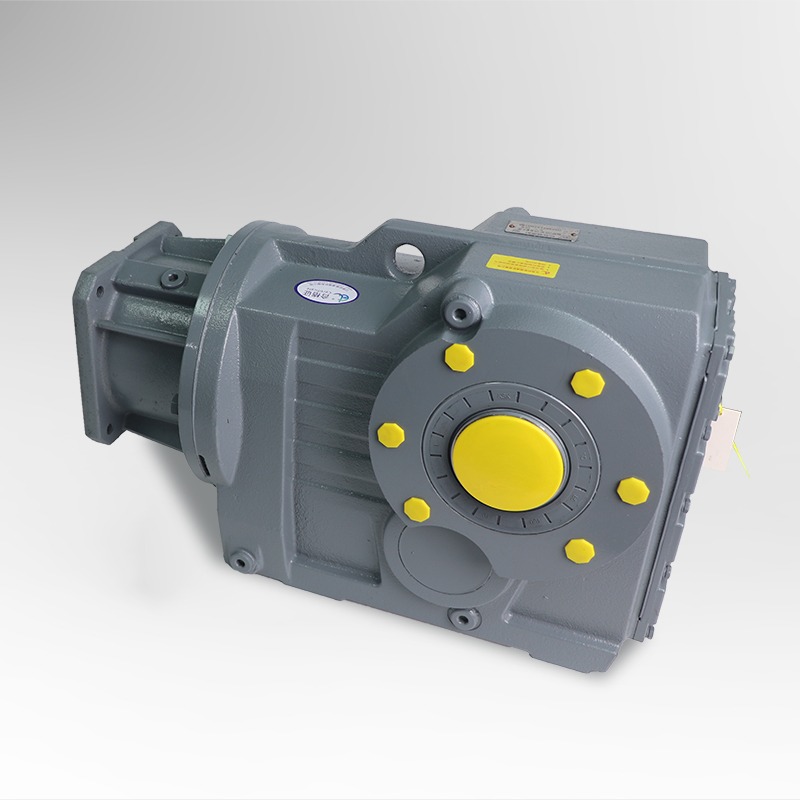
A reduction gearbox is a mechanical device designed to reduce rotational speed while proportionally increasing torque. It typically consists of gears, shafts, bearings, housing, and lubrication systems. Depending on the application, gear arrangements may include helical gears, spur gears, bevel gears, or planetary gear sets.
In industrial applications, reduction gearboxes are commonly used in conveyors, mixers, cranes, lifting equipment, robotics, packaging machinery, and material handling systems. Their performance directly affects load capacity, positional accuracy, noise levels, and energy efficiency.
Because reduction gearboxes operate under continuous mechanical stress, even minor issues can escalate if not identified and managed early. Understanding the typical failure modes is therefore essential for effective prevention.
Gear wear is one of the most frequently encountered problems in reduction gearboxes. Over time, gear teeth may experience surface fatigue, pitting, scuffing, or abrasion. This wear reduces transmission efficiency and may eventually lead to tooth breakage.
Common causes include:
As wear progresses, vibration and noise levels typically increase, serving as early warning signs.
Lubrication plays a critical role in reducing friction, dissipating heat, and preventing direct metal-to-metal contact. Lubrication failure can manifest as overheating, accelerated wear, or seizure of internal components.
Typical lubrication-related issues include:
In many cases, lubrication problems are not caused by the lubricant itself but by neglect or improper maintenance practices.
Overheating is a serious issue that can compromise both mechanical integrity and lubricant performance. A reduction gearbox operating at elevated temperatures experiences reduced oil film strength and increased oxidation rates, which further accelerate wear.
Primary contributors to overheating include:
If not addressed, overheating can lead to irreversible damage to gears, bearings, and seals.
Bearings support rotating shafts and ensure smooth motion. Bearing failure often results in increased vibration, noise, and shaft misalignment, which can subsequently damage gears.
Common causes of bearing failure include:
Bearing issues often develop gradually, making condition monitoring an essential preventive measure.
Seals are responsible for retaining lubricant and preventing contaminants from entering the gearbox. When seals degrade, oil leakage and contamination become inevitable.
Factors contributing to seal failure include:
Oil leakage not only reduces lubrication effectiveness but also poses environmental and safety concerns.
Unusual noise and excessive vibration are often symptoms rather than root problems. However, they are among the most noticeable indicators of gearbox malfunction.
Potential underlying causes include:
Ignoring abnormal noise or vibration can allow minor defects to evolve into major failures.
Misalignment between the gearbox and connected equipment places uneven loads on gears and bearings. This condition accelerates wear and increases energy losses.
Misalignment may result from:
Precision alignment during installation and regular inspections are critical for long-term reliability.
Understanding the root causes of reduction gearbox problems allows for targeted prevention rather than reactive repair. Prevention strategies generally fall into four main categories: design selection, installation, operation, and maintenance.
Selecting the correct reduction gearbox for a given application is the first and most critical step in preventing operational problems.
Key selection factors include:
Undersized gearboxes are particularly prone to overheating and premature wear, while oversized units may operate inefficiently.
| Parameter | Consideration |
|---|---|
| Torque Capacity | Must exceed maximum operating torque |
| Speed Ratio | Match output speed requirements |
| Service Factor | Account for shock loads and duty cycle |
| Environment | Dust, moisture, temperature exposure |
| Mounting Type | Horizontal, vertical, or angled |
Even a properly selected reduction gearbox can fail prematurely if installed incorrectly. Installation errors often introduce misalignment and undue stress.
Recommended practices include:
Initial run-in procedures should also be followed to allow components to seat properly.
Lubrication management is one of the most cost-effective ways to extend the life of a reduction gearbox.
Key lubrication practices:
Advanced facilities may employ oil analysis to detect early signs of wear.
Controlling operating temperature is essential for gearbox longevity. Thermal management strategies include both passive and active approaches.
Common methods:
Reducing unnecessary load fluctuations also helps stabilize operating temperatures.
Routine inspections allow early detection of potential problems before they escalate.
Inspection focus areas:
Condition monitoring techniques such as vibration analysis and thermography provide valuable diagnostic insights without interrupting operation.
Preventive maintenance programs should be structured, documented, and consistently applied.
Essential maintenance elements:
Well-documented maintenance history supports informed decision-making and continuous improvement.
| Problem | Primary Cause | Preventive Measure |
|---|---|---|
| Gear Wear | Poor lubrication, overload | Correct lubricant, load control |
| Overheating | Excessive load, poor cooling | Thermal management |
| Bearing Failure | Misalignment, contamination | Precision installation, clean oil |
| Oil Leakage | Seal degradation | Seal inspection and replacement |
| Noise/Vibration | Misalignment, gear damage | Alignment and monitoring |
The reduction gearbox remains a fundamental component in industrial power transmission systems, directly influencing performance, efficiency, and operational continuity. Common problems such as gear wear, lubrication failure, overheating, bearing damage, and misalignment are rarely sudden; they typically result from cumulative stresses and preventable conditions.
By focusing on correct selection, precise installation, effective lubrication, thermal control, and disciplined maintenance, many gearbox-related failures can be avoided. A proactive approach not only extends service life but also reduces downtime, lowers total cost of ownership, and enhances system reliability.
Understanding and addressing these common problems ensures that reduction gearboxes continue to deliver stable, efficient performance across a wide range of industrial applications.
Q1: What is the most common cause of reduction gearbox failure?
The most common cause is inadequate lubrication, which leads to accelerated wear, overheating, and eventual component damage.
Q2: How often should a reduction gearbox be inspected?
Inspection frequency depends on operating conditions, but routine visual checks and periodic detailed inspections are recommended throughout the service life.
Q3: Can overheating be resolved without replacing the gearbox?
In many cases, overheating can be mitigated through load adjustments, improved cooling, and proper lubrication without requiring replacement.
Q4: Why is alignment so critical for gearbox longevity?
Proper alignment ensures even load distribution across gears and bearings, reducing stress and preventing premature failure.
Q5: Is preventive maintenance more cost-effective than reactive repair?
Yes, preventive maintenance significantly reduces the risk of unexpected downtime and costly repairs, making it more economical over time.
Recommended Products



 EN
EN  English
 Español
 русский