NEWS
 Home / News / Industry News / How Can a Helical Gear Reducer Improve Efficiency in Your Manufacturing Process?
  2025.12.18
 Industry News
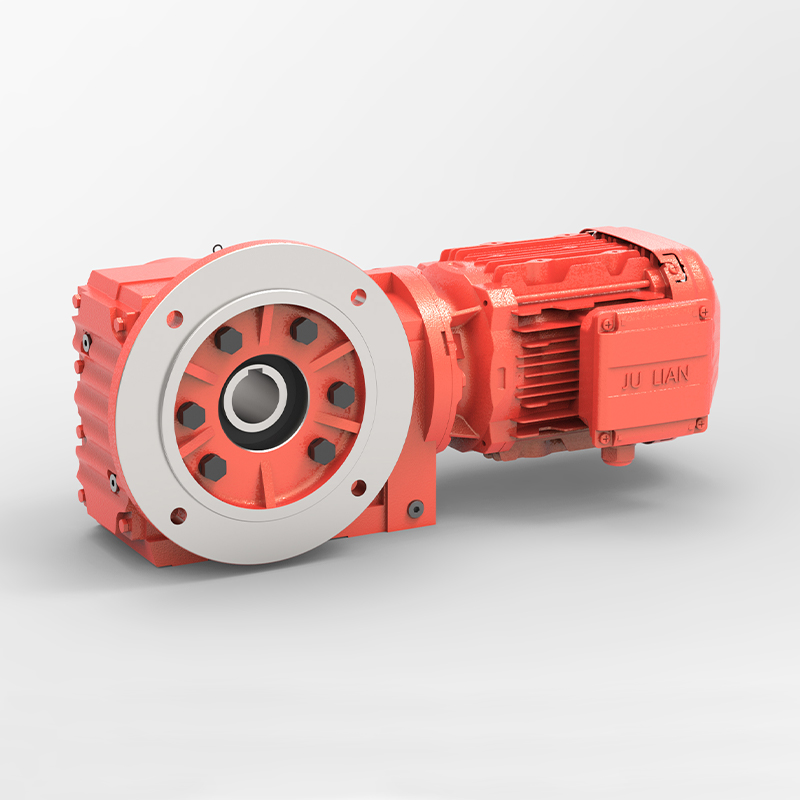
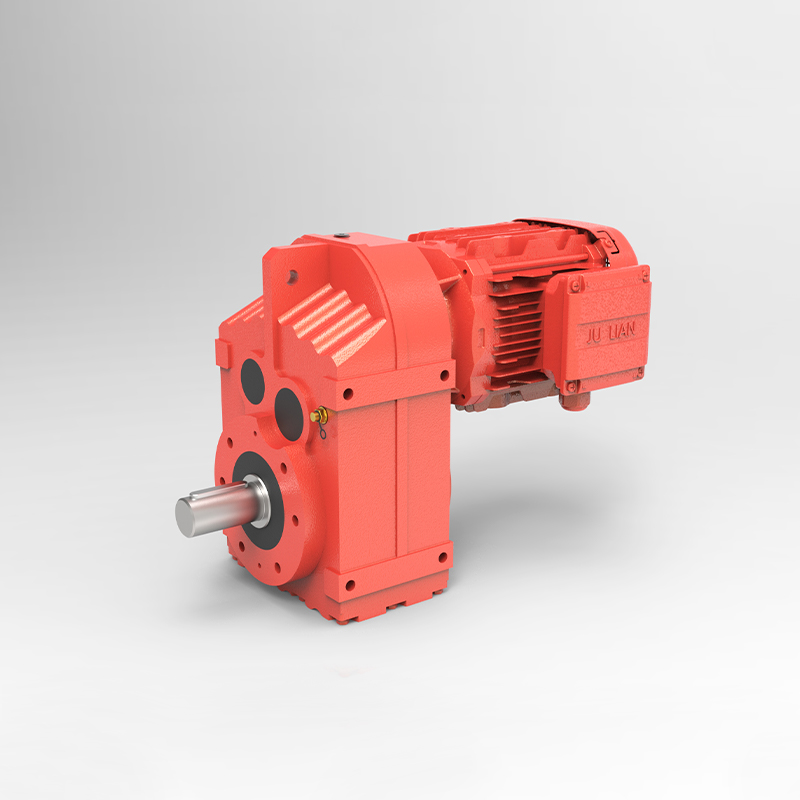
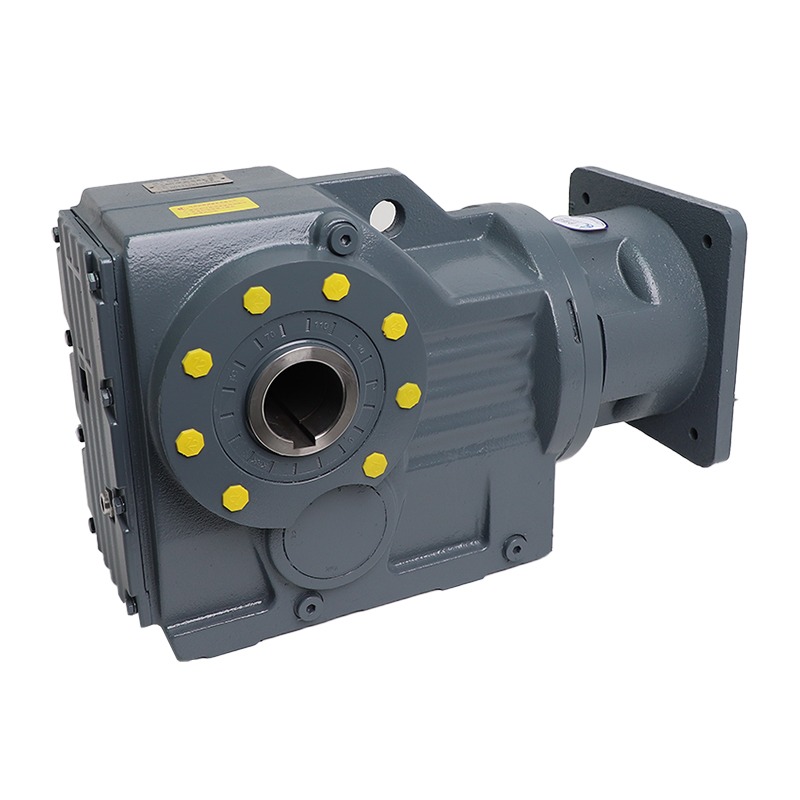
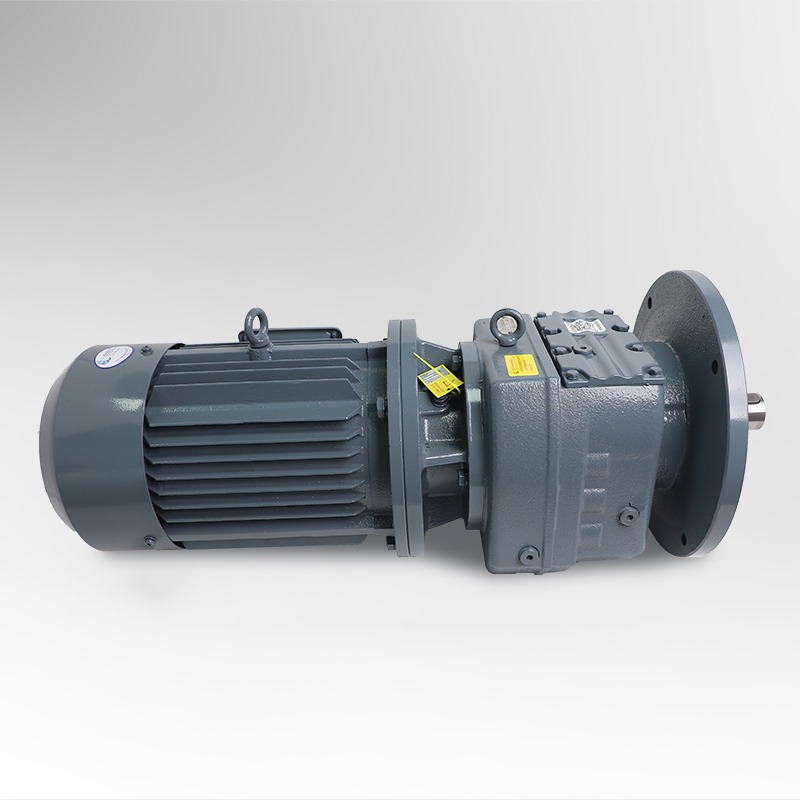
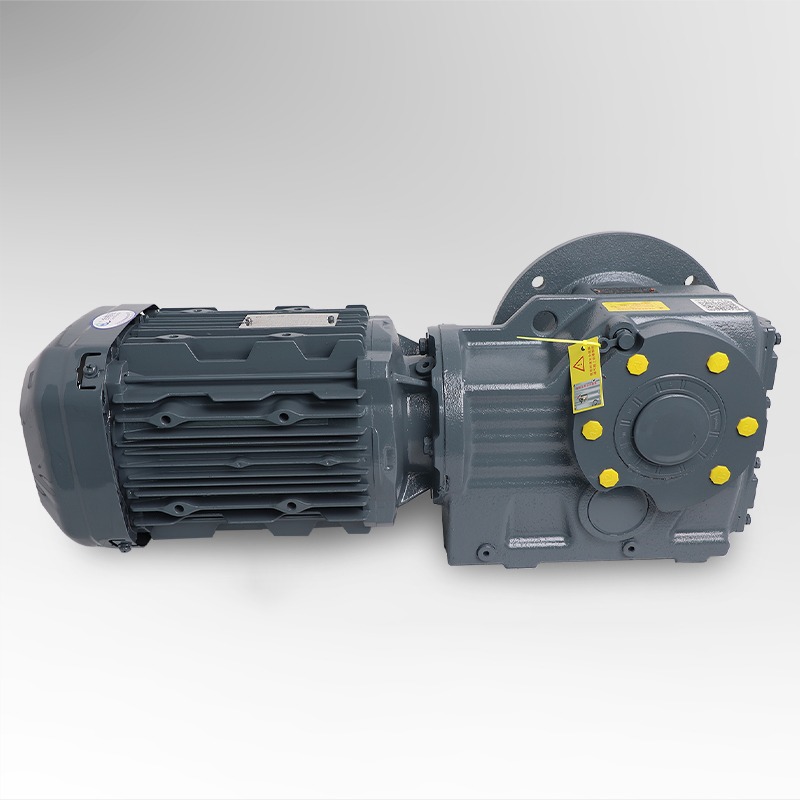
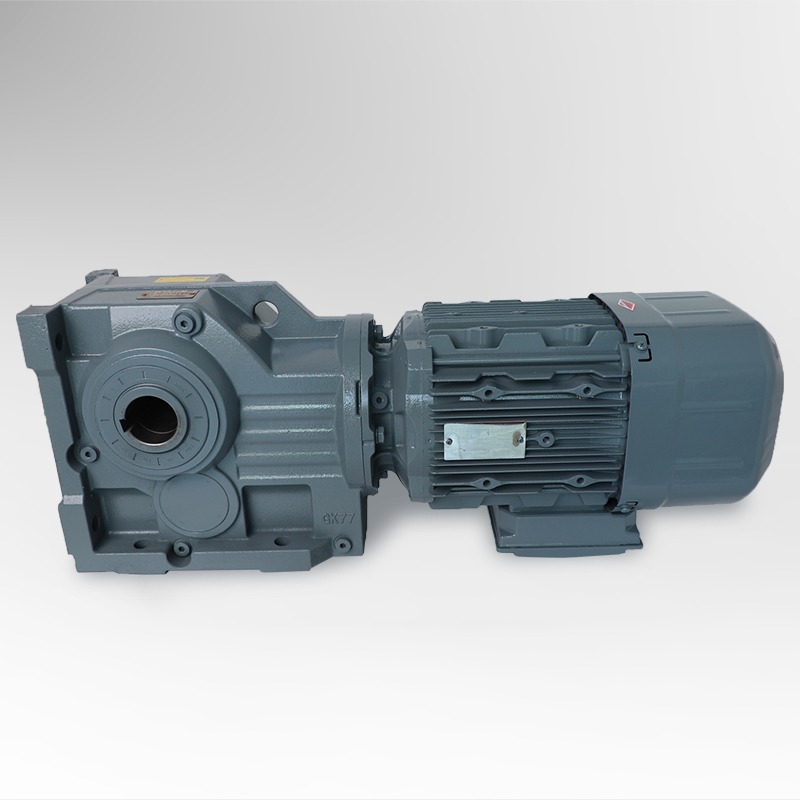
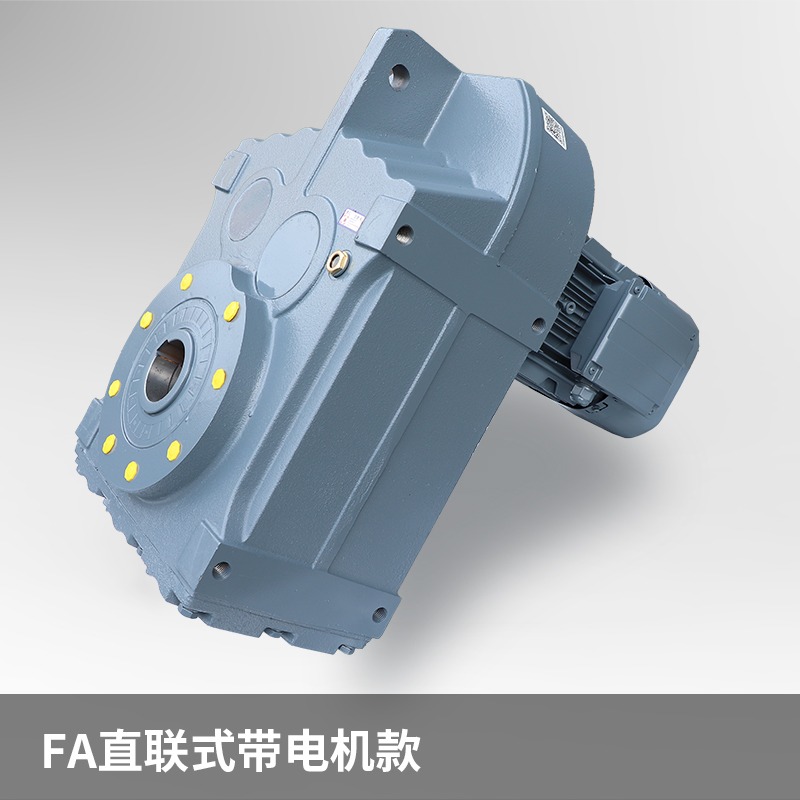
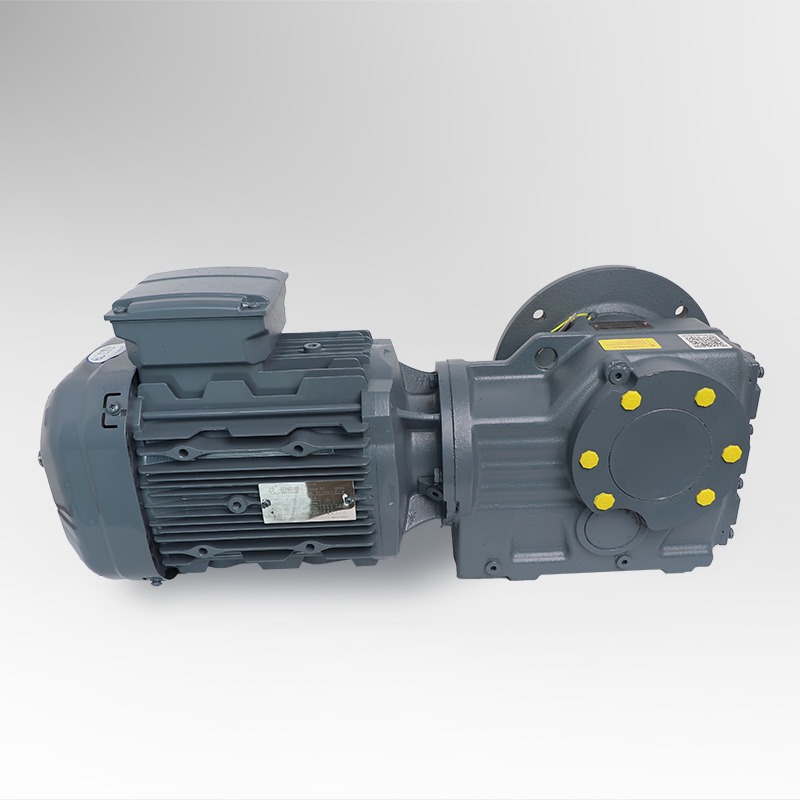
In modern industrial automation and mechanical transmission systems, the helical gear reducer plays a crucial role due to its high efficiency, low noise, and stability. As industrial production increasingly demands precise and reliable power transmission, the helical gear reducer has found extensive applications across manufacturing, logistics, energy, and automation industries, with its technological advancement and market prospects drawing considerable attention.
The helical gear reducer, as a high-performance gear reduction device, primarily achieves speed reduction and torque increase through helical gear meshing. Compared to a straight-cut gear reducer, the helical gear reducer offers smoother transmission and lower noise. Its helical gear design distributes the load more evenly, reduces impact forces, and extends service life.
Technical Features of Helical Gear Reducer
| Feature | Description | Advantage |
|---|---|---|
| Gear Type | Helical Gear | Smooth transmission, low noise |
| Torque Output | High | Suitable for heavy-duty operations |
| Efficiency | High | Energy-saving and eco-friendly |
| Compact Structure | Compact design | Flexible installation, space-saving |
| Lifespan | Long | Low maintenance cost |
The helical gear reducer is widely used in industrial transmission. Its efficiency, durability, and versatility make it an essential component in motor drives and automated equipment.
In manufacturing, helical gear reducers are mainly used in power transmission and mechanical control. High-precision gear designs ensure smooth operation and adaptability to various loads. Industrial gear reducers provide reliable power transfer in machine tools, production lines, and packaging machinery, enhancing operational efficiency.
With the rise of automation, helical gear reducers are widely applied in conveyor systems, robotic drives, and warehouse automation. Their high torque output and low noise make them ideal for robotic joints, material handling systems, and automated assembly lines. Helical gearboxes in these applications not only improve efficiency but also extend equipment lifespan.
In wind power, pumping systems, and environmental equipment, high-performance helical gear reducers ensure stable power transmission. Compared to other reduction devices, their low wear and high efficiency make energy systems more reliable while reducing energy consumption and maintenance costs. Industrial gear reducers in energy applications demonstrate technical maturity and dependability.
In logistics and material handling, speed reducers are core components. Helical gear reducers, with high torque transmission, ensure smooth operation of conveyors and handling equipment while minimizing noise. Helical gear drives’ precision design enhances the reliability and safety of large-scale logistics systems.
Performance optimization of helical gear reducers involves gear design, material selection, lubrication methods, and installation structure. Precise calculation of gear angles and modules ensures smooth meshing and minimizes energy loss. High-quality lubrication reduces wear and extends lifespan. Motor gear reducers are designed with heat dissipation, sealing, and load balancing in mind, achieving a balance between efficiency and durability.
Key Elements of Helical Gear Reducer Performance Optimization
| Optimization Area | Specific Measures | Effect |
|---|---|---|
| Gear Design | Precise gear profile calculation | Reduce meshing impact, improve efficiency |
| Material Selection | High-strength alloy steel | Enhance wear resistance and lifespan |
| Lubrication Method | Forced or circulating lubrication | Reduce friction, extend service life |
| Installation Structure | Modular design | Easy maintenance and replacement |
| Heat Dissipation | Enhanced cooling fins or air cooling | Prevent overheating, improve reliability |
These optimizations ensure helical gear reducers maintain stable operation across diverse industrial applications, while achieving energy savings and reduced maintenance costs.
Proper installation and regular maintenance are essential for the long-term stable operation of helical gear reducers. During installation, attention should be paid to shaft alignment, bolt torque, lubricant type, and oil level. Maintenance includes checking lubrication, gear wear, bearing temperature, and replacing worn components in time.
Helical Gear Reducer Maintenance Checklist
| Inspection Item | Recommended Interval | Key Points |
|---|---|---|
| Lubrication Oil | Every 3-6 months | Check oil level and quality, replace if necessary |
| Gear Wear | Every 6 months | Inspect meshing surface, replace if excessive wear |
| Bearing Condition | Every 6 months | Monitor temperature, vibration, and noise |
| Fasteners | Every 3 months | Ensure bolts are tightened |
| Cleaning | Monthly | Remove dust and debris to maintain heat dissipation |
Scientific maintenance ensures the helical gear reducer operates efficiently, extends service life, and reduces unexpected downtime.
Q1: What types of industrial equipment are suitable for helical gear reducers?
A1: Helical gear reducers are suitable for a wide range of industrial equipment, including machine tools, conveyors, automated assembly lines, pumping systems, and robotic drives, especially in applications requiring high torque and low noise.
Q2: How does a helical gear reducer differ from a straight-cut gear reducer?
A2: The primary difference is gear type and transmission characteristics. Helical gear reducers use helical gears for smooth, low-noise operation, while straight-cut gear reducers are simpler but generate higher noise and impact forces.
Q3: How can the lifespan of a helical gear reducer be extended?
A3: Proper installation and regular maintenance are key, including checking lubrication, gear wear, bearing condition, and fastening bolts. Scientific management significantly prolongs service life.
Q4: Can helical gear reducers be customized?
A5: Yes. Gear module, torque output, and structural design can be adjusted to meet specific industrial application requirements.
Recommended Products



 EN
EN  English
 Español
 русский