NEWS
 2025.12.11
 Industry News
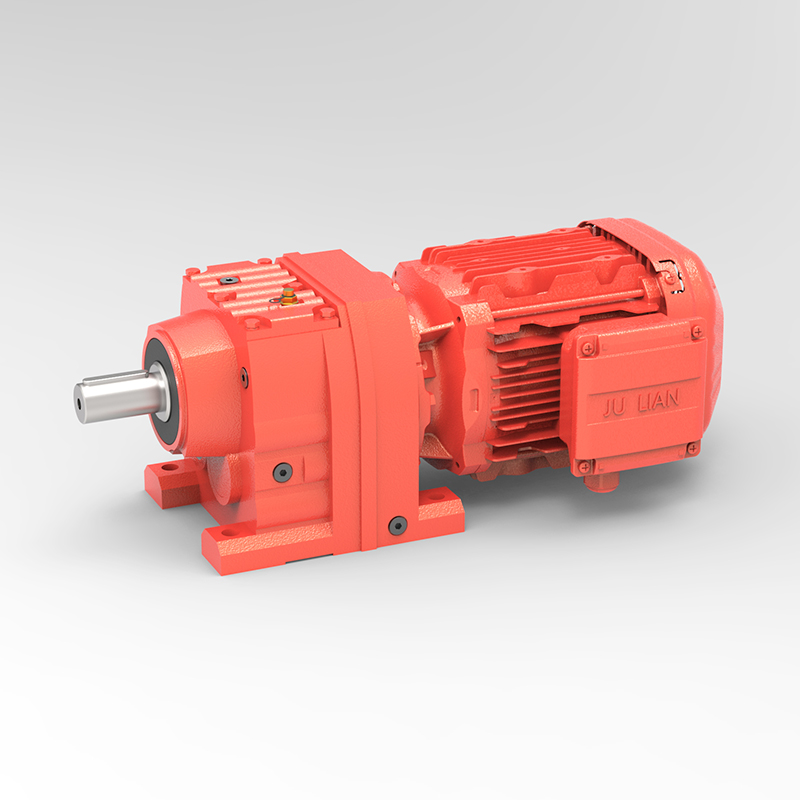
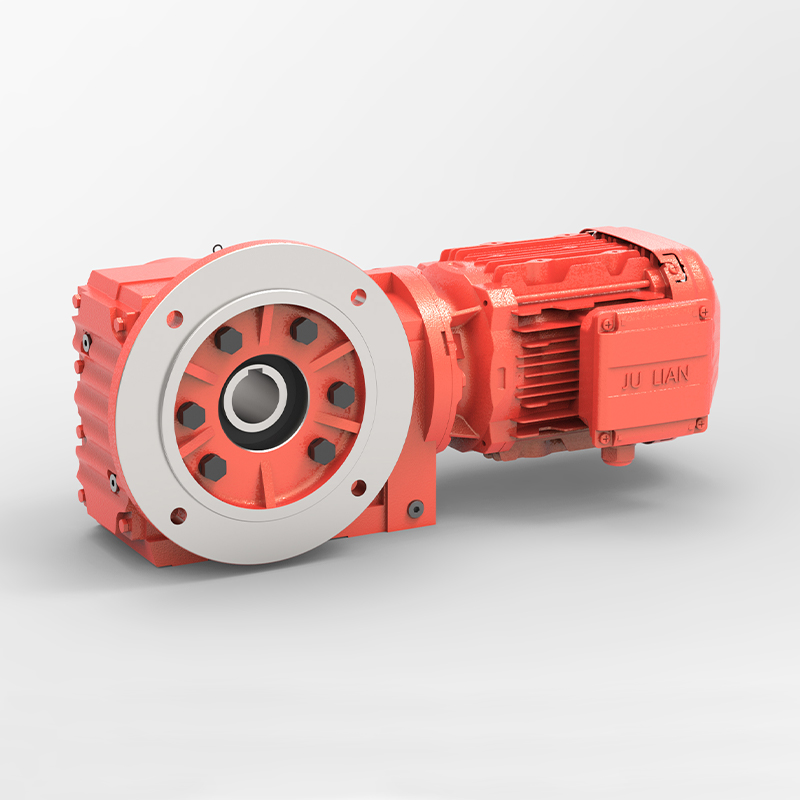
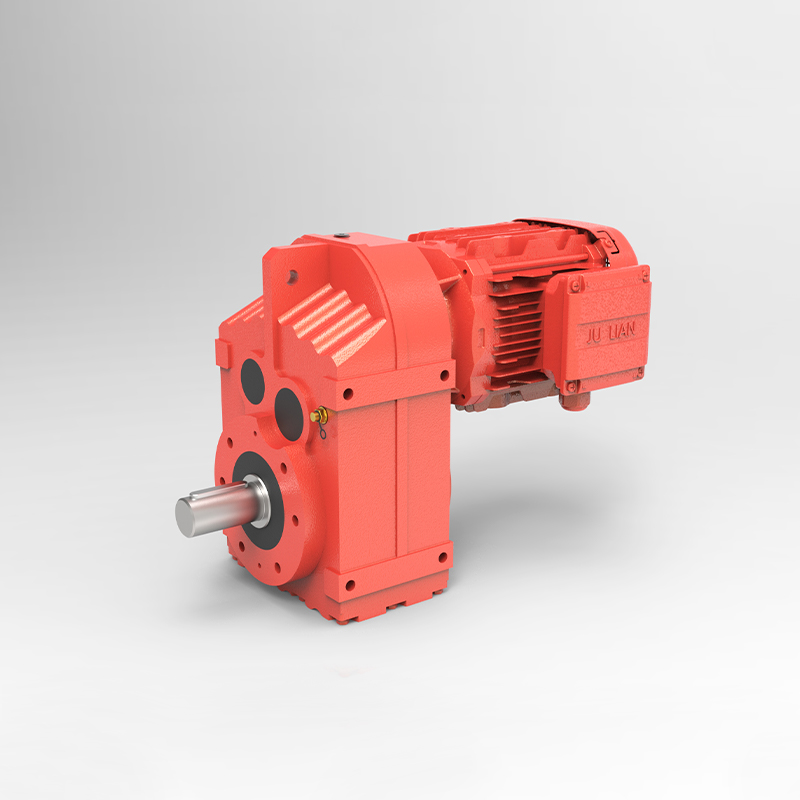
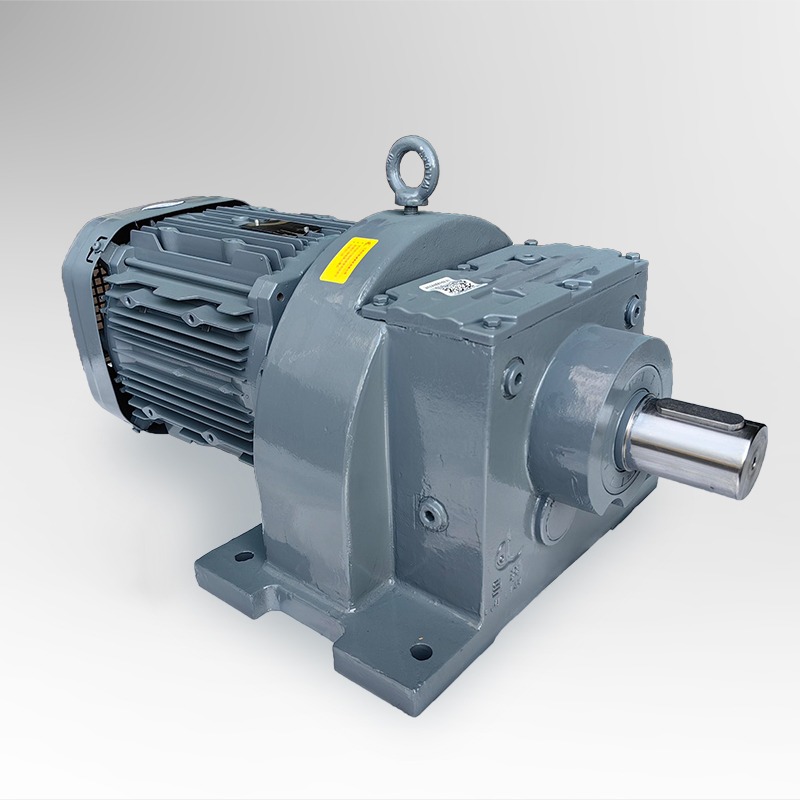
In modern industrial systems, efficient power transmission is a foundational requirement. Machines must convert raw motor output into usable force, adapt speed to specific tasks, and maintain stability under varying loads. One of the most critical components enabling this transformation is the reduction gearbox. Although often hidden inside mechanical assemblies, the reduction gearbox plays a decisive role in performance, durability, and energy efficiency across a wide range of applications.
A reduction gearbox is a mechanical device designed to reduce the input rotational speed while proportionally increasing output torque. It is typically installed between a power source, such as an electric motor, and a driven machine, such as a conveyor, mixer, or actuator.
Motors are usually optimized to run at relatively high speeds with lower torque. However, many industrial processes require slower motion combined with higher force. The reduction gearbox bridges this gap by modifying the motor’s output characteristics without changing the motor itself.
In practical terms, the reduction gearbox allows machinery to:
Because of these functions, the reduction gearbox is not simply an accessory, but a core element in mechanical design.
At its core, a reduction gearbox operates through the interaction of gears with different sizes and tooth counts. When a smaller gear drives a larger gear, the rotational speed decreases while torque increases.
The relationship between speed and torque is governed by the gear ratio. For example, a 10:1 reduction gearbox means that for every ten rotations of the input shaft, the output shaft completes one rotation. As a result, the output torque is multiplied, accounting for mechanical efficiency losses.
The working process can be summarized as follows:
This seemingly simple principle enables precise control over mechanical motion, which is essential in industrial automation and heavy-duty equipment.
Although designs vary, most reduction gearbox assemblies share several fundamental components. Understanding these parts helps clarify how the system functions as a whole.
| Component | Function |
|---|---|
| Input Shaft | Receives rotational power from the motor |
| Gear Set | Transmits motion and creates speed reduction |
| Output Shaft | Delivers adjusted speed and torque to the load |
| Bearings | Support rotating components and reduce friction |
| Housing | Protects internal parts and maintains alignment |
| Lubrication System | Minimizes wear and dissipates heat |
Each component must be engineered to work in harmony. Poor alignment, inadequate lubrication, or substandard materials can compromise gearbox performance and shorten service life.
Reduction gearbox designs vary based on gear arrangement, load requirements, and installation constraints. Selecting the appropriate type depends on application-specific needs.
Spur gear systems use straight-cut gears mounted on parallel shafts. They are simple in construction and offer high efficiency under moderate loads. However, they can generate more noise at higher speeds.
Helical gears feature angled teeth that engage gradually, resulting in smoother operation and reduced noise. This type of reduction gearbox is well suited for continuous-duty applications requiring stable performance.
Planetary systems consist of a central sun gear, planet gears, and a ring gear. They provide high torque density and compact size, making them ideal where space is limited and precision is required.
Worm gear designs use a screw-like input gear to drive a wheel. They offer high reduction ratios in a single stage and can provide self-locking characteristics, though efficiency is typically lower.
| Gearbox Type | Key Advantages | Typical Use Characteristics |
|---|---|---|
| Spur Gear | Simple, efficient, cost-effective | Moderate loads, straightforward layouts |
| Helical Gear | Smooth, quiet, durable | Continuous operation, higher speeds |
| Planetary Gear | Compact, high torque, precise | Space-limited, high-performance systems |
| Worm Gear | High reduction, self-locking | Low-speed, positioning applications |
Each reduction gearbox type addresses specific mechanical challenges, reinforcing the importance of correct selection.
The importance of the reduction gearbox extends beyond speed control. It directly influences operational reliability, energy efficiency, and system longevity.
By increasing torque, a reduction gearbox allows smaller motors to perform tasks that would otherwise require larger, less efficient power sources.
Controlled output speed improves accuracy in automated processes, particularly in systems involving indexing, lifting, or synchronized motion.
The gearbox absorbs shock loads and reduces stress on motors and driven components, helping prevent premature failures.
Operating motors within their optimal speed range improves overall energy efficiency and reduces heat generation.
These benefits explain why reduction gearbox technology is deeply embedded in modern mechanical design.
The performance of a reduction gearbox is closely tied to the materials used in its construction and the precision of its manufacturing processes.
Gears are commonly produced from alloy steels that undergo heat treatment to enhance hardness and fatigue resistance. Housing materials may range from cast iron for rigidity to aluminum alloys for weight reduction.
Precision machining ensures proper gear meshing and load distribution. Even minor deviations in tooth geometry or shaft alignment can lead to increased noise, vibration, and wear.
Surface finishing and lubrication channels are equally important, as they influence friction, thermal behavior, and long-term reliability.
Proper installation is critical to ensuring that a reduction gearbox performs as intended. Misalignment between the motor, gearbox, and driven equipment can introduce unwanted forces that accelerate wear.
Key installation considerations include:
Attention to these factors reduces downtime and maintenance costs while extending service intervals.
While a reduction gearbox is designed for durability, it is not maintenance-free. Routine inspection and care are essential to sustain performance.
Typical maintenance activities include:
A well-maintained reduction gearbox can operate reliably for many years, even in demanding environments.
The reduction gearbox is a fundamental mechanical component that transforms motor output into usable motion for industrial systems. By reducing speed and increasing torque, it enables machines to perform demanding tasks with precision, efficiency, and reliability. Understanding how a reduction gearbox works, the types available, and the factors influencing its performance allows engineers and decision-makers to make informed choices.
1. What is the main purpose of a reduction gearbox?
The main purpose of a reduction gearbox is to reduce rotational speed from a power source while increasing torque to meet the requirements of a driven load.
2. How does a reduction gearbox increase torque?
Torque increases as speed decreases through gear engagement. The gear ratio determines how much speed is reduced and how much torque is amplified.
3. What factors should be considered when selecting a reduction gearbox?
Key factors include required torque, desired output speed, load characteristics, installation space, operating environment, and expected duty cycle.
4. How long can a reduction gearbox typically last?
With proper selection, installation, and maintenance, a reduction gearbox can operate reliably for many years, even under continuous industrial use.
5. Is lubrication important for reduction gearbox performance?
Yes, lubrication is essential. It reduces friction, minimizes wear, dissipates heat, and significantly extends the operational lifespan of the gearbox.
Recommended Products



 EN
EN  English
 Español
 русский