NEWS
 2025.12.05
 Industry News
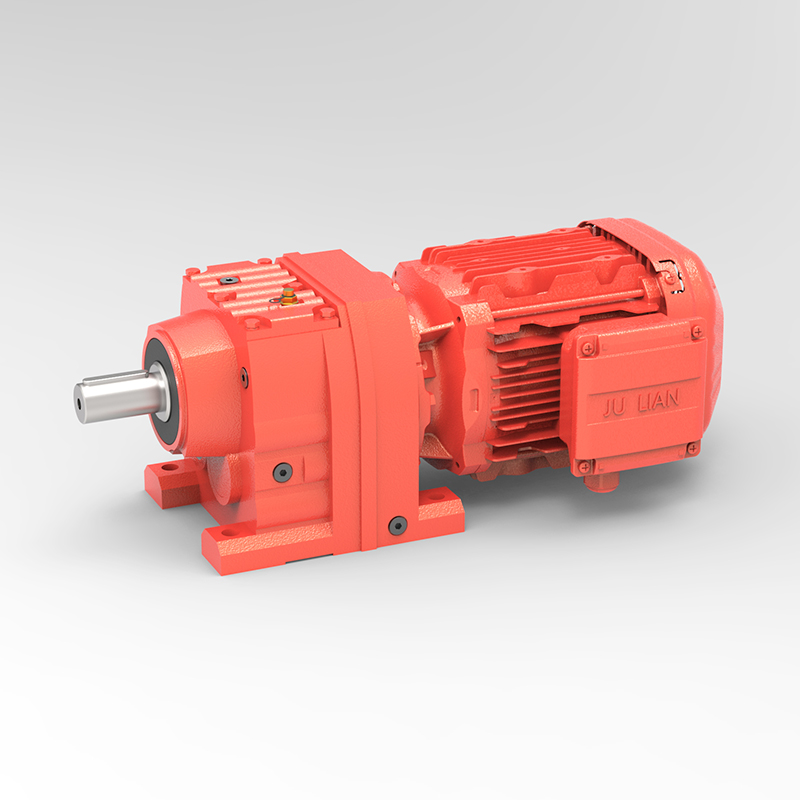
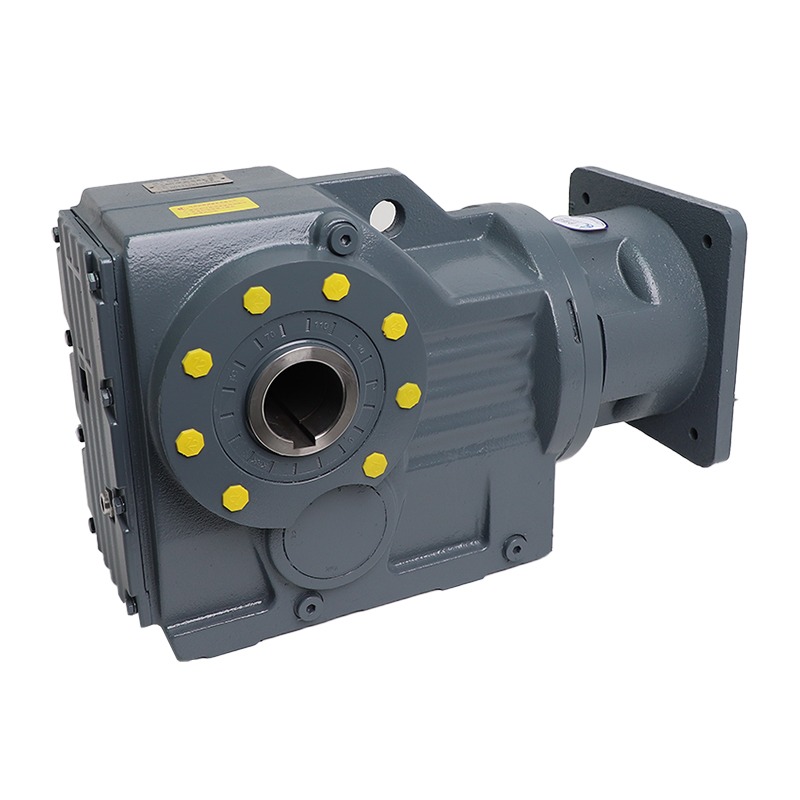
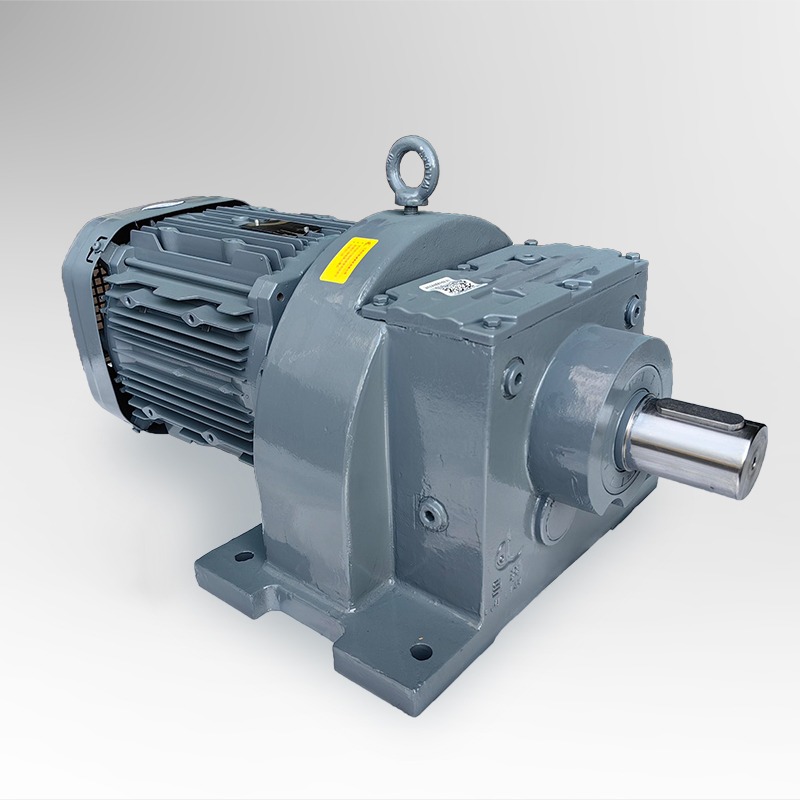
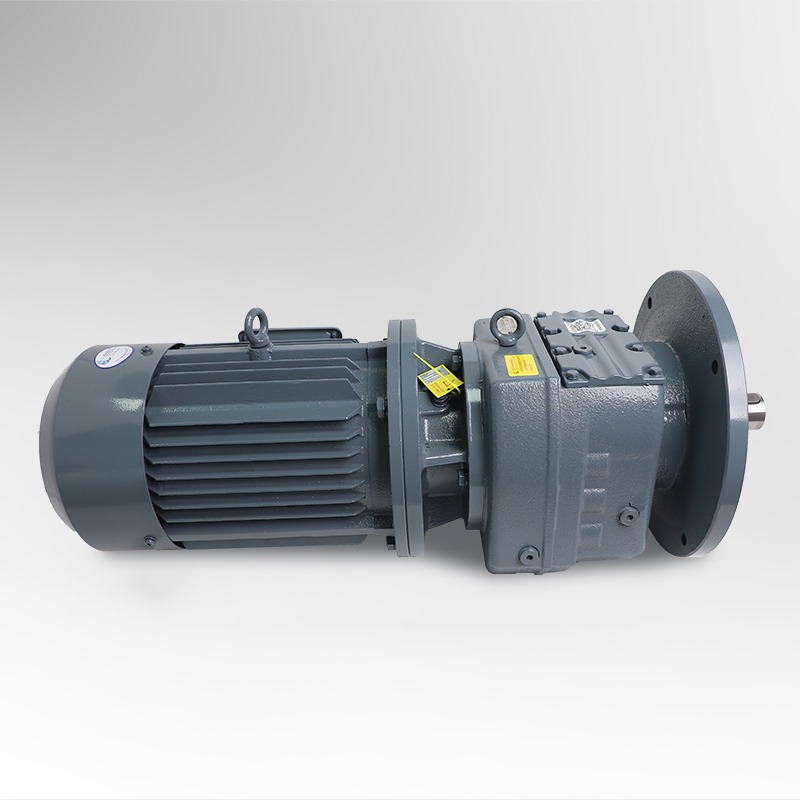
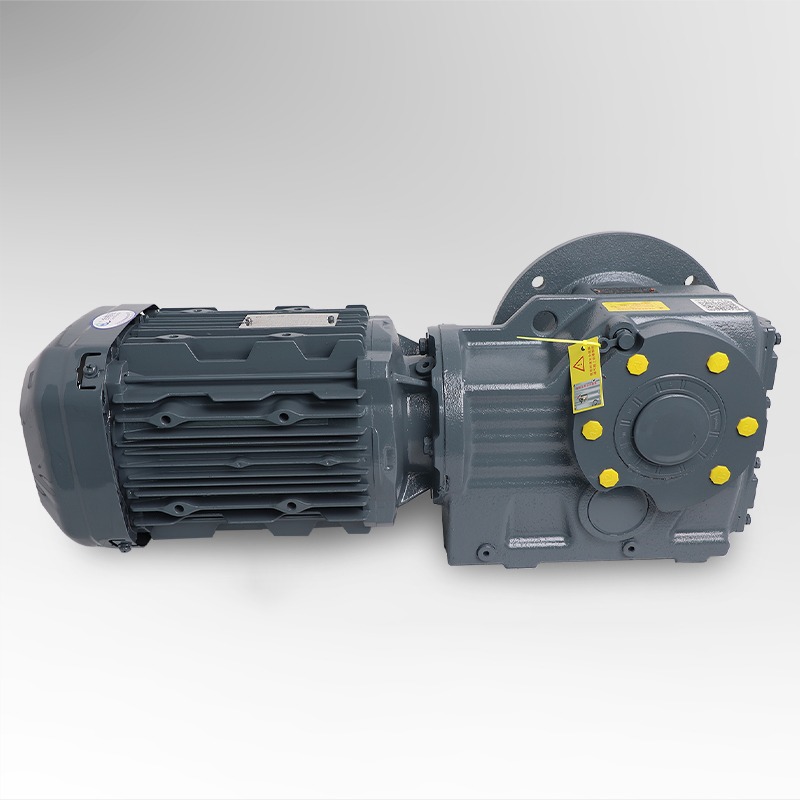
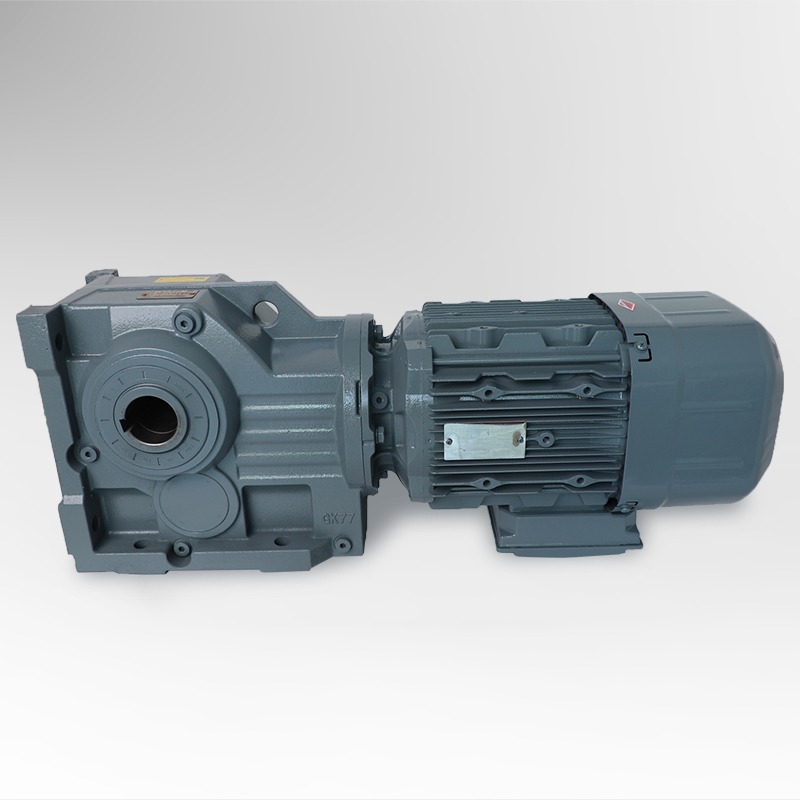
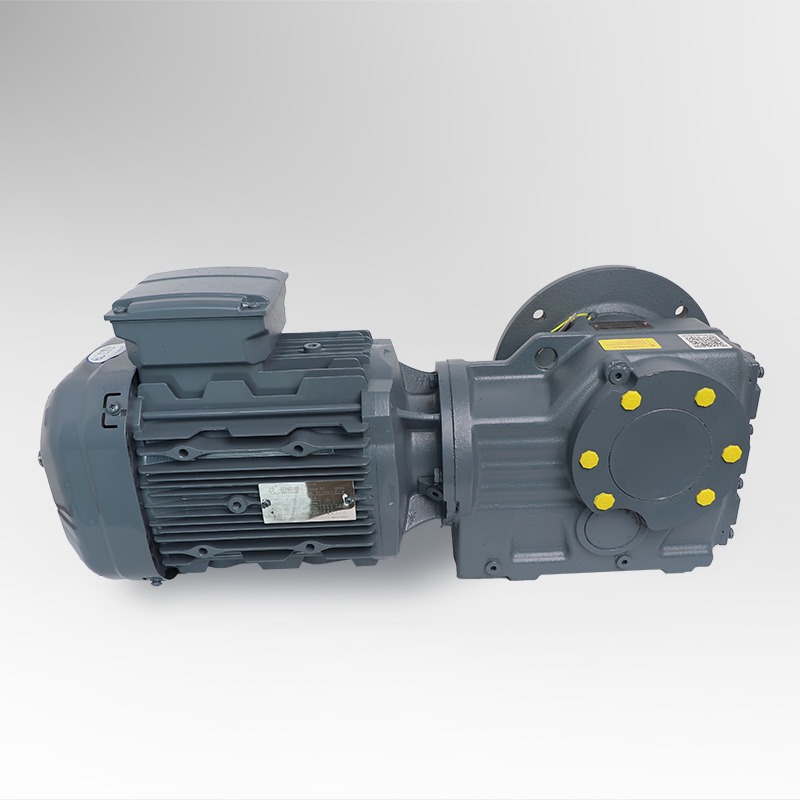
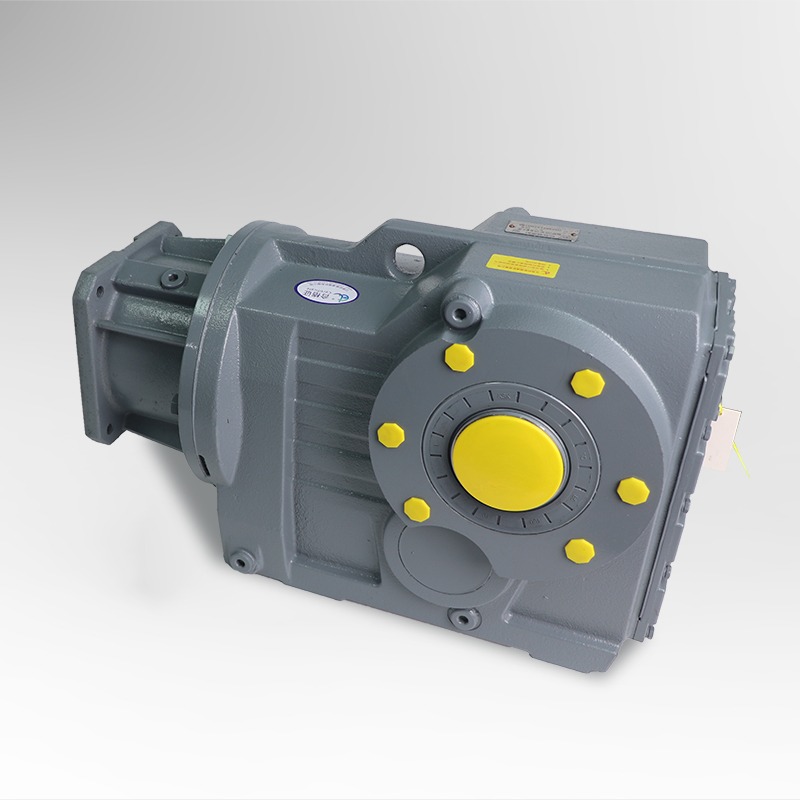
In today’s fast-advancing industrial landscape—defined by automation, precise motion control, and continuous production—mechanical transmission components must deliver increasingly higher stability, lower noise, and greater energy efficiency. Against this backdrop, the helical gear reducer has emerged as a core solution within numerous mechanical systems. From automated assembly lines and conveyor equipment to packaging machinery and continuous-duty processing equipment, the helical gear reducer provides a level of performance that traditional gear structures often struggle to match.
Driven by the rising demand for efficient power transmission and stable torque output, the adoption of helical gear reducers continues to accelerate across global manufacturing sectors. With features including higher meshing efficiency, smoother torque delivery, reduced vibration, and extended service life, the helical gear reducer stands out as a critical component for modern industrial equipment.
Compared with spur gears, the defining advantage of helical gears lies in their angled tooth profile. This design significantly increases the contact ratio between gear surfaces, which directly enhances power transmission efficiency. In long-term industrial operation—particularly within continuous-duty systems used in conveyors, pumps, or automated equipment—even small efficiency improvements can translate into considerable energy savings and operational stability.
Helical gears engage gradually, not abruptly. Instead of instantaneous tooth-to-tooth collision, helical gears slide into mesh, distributing force more evenly across tooth surfaces. This smooth transition reduces friction losses, decreases shock loads, and improves overall gear performance.
Through these combined mechanical benefits, the helical gear reducer becomes a preferred option in industrial gear drive systems where efficiency, precision, and durability are essential.
Gear noise is primarily caused by vibration, meshing impact, and inconsistencies in torque delivery. The helical gear reducer addresses these issues at the structural level.
The helical gear’s angled teeth allow multiple teeth to engage simultaneously, increasing the overlapping contact area. This significantly lowers vibration amplitude, which directly reduces noise. Furthermore, modern helical gear reducers often employ precision machining and fine-grinding processes, leading to smoother tooth surfaces with minimal roughness. The smoother the surface, the lower the resistance during meshing, thereby reducing the noise source.
Additionally, the housings of helical gear reducers usually feature reinforced structural designs engineered for high stiffness. This prevents resonance amplification and reduces the transmission of internal vibrations to the external environment.
In industries where noise control is essential—such as packaging lines, electronics assembly, laboratory automation, and precision-focused light-duty equipment—this low-noise advantage contributes both to improved working conditions and to superior motion accuracy.
High load capacity is a decisive factor for heavy-duty machinery. The design of a high load-bearing capacity helical gear reducer incorporates multiple structural and material advantages that allow it to handle heavy torque and continuous shocks over prolonged periods.
Below are the core elements that enhance load-bearing performance:
The angled profile increases tooth surface engagement and distributes force more effectively. As a result, each tooth handles less stress, prolonging gear life and minimizing deformation.
Helical gears are commonly manufactured from high-strength alloy steels and undergo advanced treatments such as carburizing, quenching, and precision grinding. These processes yield hardened surfaces with excellent wear resistance while maintaining a tough core for shock absorption.
The helical gear reducer often integrates bearings with high load ratings, supporting both radial and axial forces generated by the angled gear design. This ensures long-term stability under demanding mechanical loads.
A robust housing minimizes bending and twisting under heavy loads, greatly improving transmission stability. This structural rigidity also helps suppress vibration and improves alignment accuracy.
These combined engineering approaches make high load-bearing capacity helical gear reducer solutions ideal for heavy industrial systems such as bulk material handling machines, machinery operating under continuous duty cycles, and applications experiencing frequent torque fluctuations.
To clearly understand the mechanical configuration of a helical gear reducer, the following table summarizes its core assemblies and functional characteristics:
| Component | Technical Characteristics | Functional Purpose |
|---|---|---|
| Helical gear set | High overlap ratio, precision-ground tooth surfaces, smooth meshing | Efficient and stable torque transmission |
| Rigid housing | High stiffness, anti-deformation design, optimized resonance control | Improves overall durability and reduces vibration |
| Input/output shafts | High-strength alloys, precision alignment, low runout | Ensures stable power entry and accurate torque output |
| Bearing system | Heavy-load bearings, low friction | Enhances load capacity and prolongs operational life |
| Lubrication system | Stable oil film, improved cooling, long-cycle lubrication | Reduces wear and prevents excessive temperature rise |
This configuration explains why the helical gear reducer excels in efficiency, noise control, thermal performance, and overall mechanical stability.
As industries move toward automation and high-precision production, the importance of reliable transmission units grows significantly. The helical gear reducer has evolved from a simple speed-reducing component into a decisive factor influencing the quality, stability, and sustainability of entire production lines.
Below are several major areas where its advantages become especially valuable:
Smooth torque output ensures precise control and consistent operational rhythm in automation systems.
With reinforced gearing, durable bearings, and efficient heat dissipation, helical gear reducers reduce downtime and extend maintenance intervals.
Higher transmission efficiency lowers power consumption, especially in systems running continuously.
Low vibration and low noise characteristics ensure accuracy in precision equipment such as positioning mechanisms, servo systems, and synchronized production modules.
Helical gear reducers withstand demanding environments involving temperature fluctuations, heavy loads, or non-stop operation.
These attributes highlight the growing importance of helical gear reducers within modern mechanical and electromechanical infrastructures.
Because the angled helical teeth engage gradually and with multiple teeth in contact simultaneously, minimizing vibration and meshing impact.
It is ideal for heavy-duty machinery, continuous-duty production systems, material handling equipment, and applications requiring stable torque under high loads.
A higher tooth contact ratio, smoother meshing, reduced friction, and optimized gear grinding processes.
Typically no. Its efficient lubrication system, durable materials, and stable meshing structure allow for extended maintenance intervals.
Yes. Its low vibration, smooth operation, and stable torque characteristics make it suitable for high-precision motion control applications.
Recommended Products



 EN
EN  English
 Español
 русский