NEWS
 Home / News / Industry News / What Makes Worm Gearboxes Transmission Different from Other Gear Systems?
  2026.01.15
 Industry News
In the realm of mechanical systems, gearboxes play a pivotal role in ensuring the smooth transfer of power across different parts of a machine or vehicle. Among the various types of gear systems, worm gearboxes transmission stands out as a distinctive and highly effective solution for specific industrial applications.
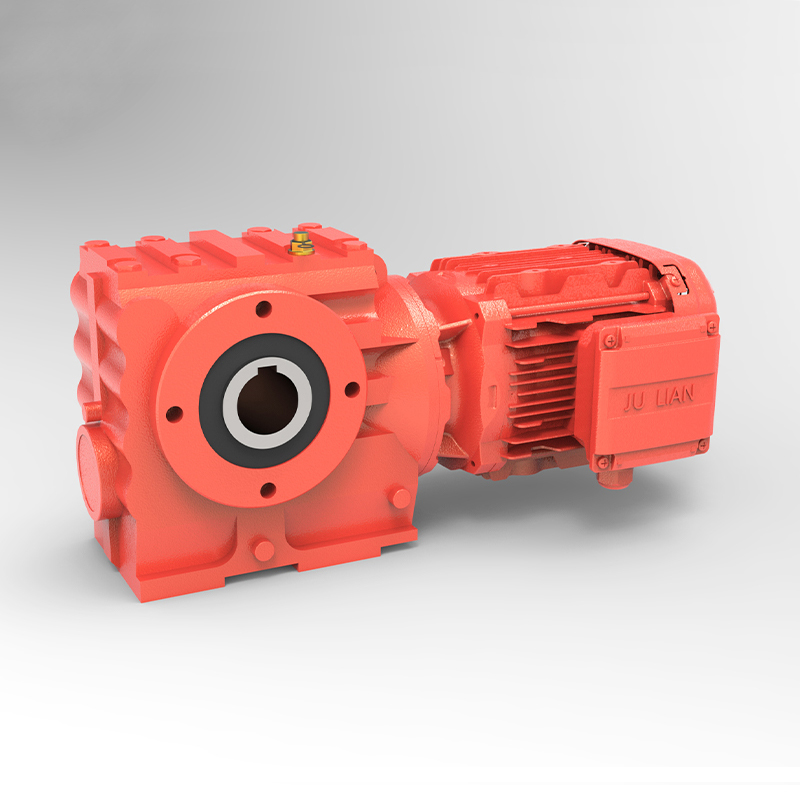
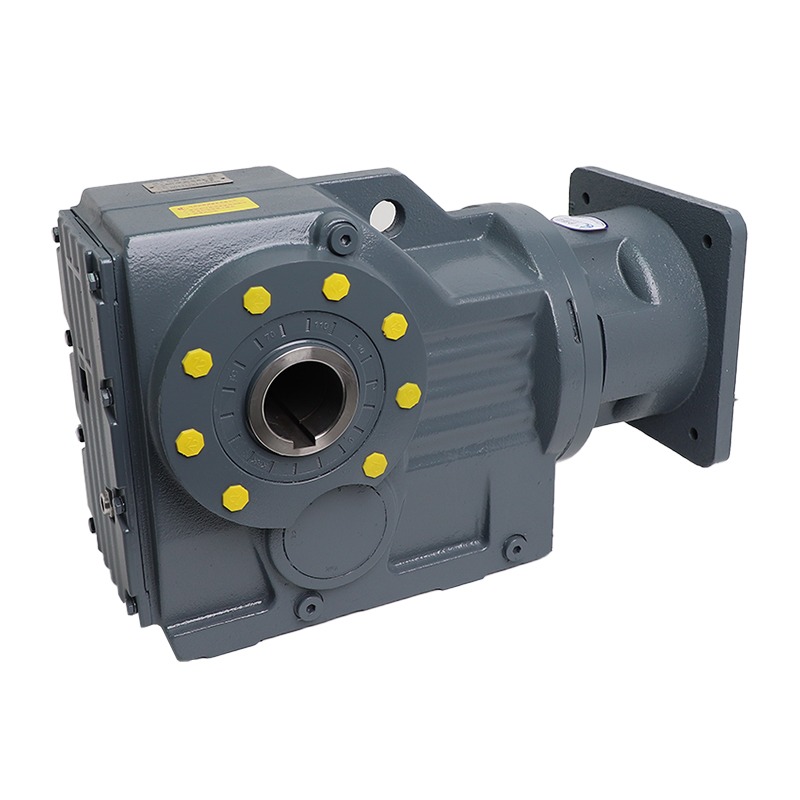
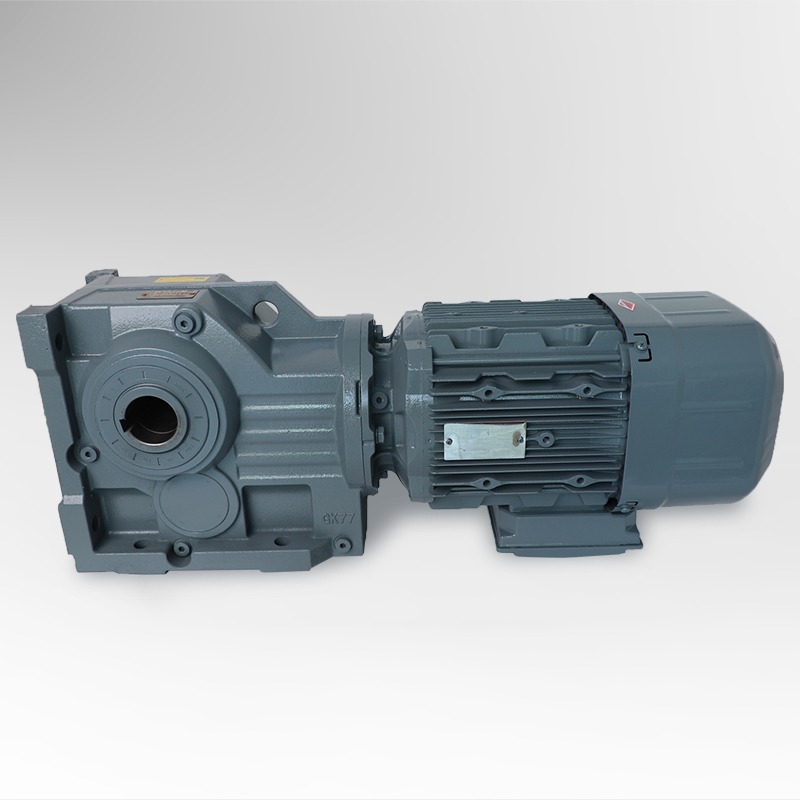
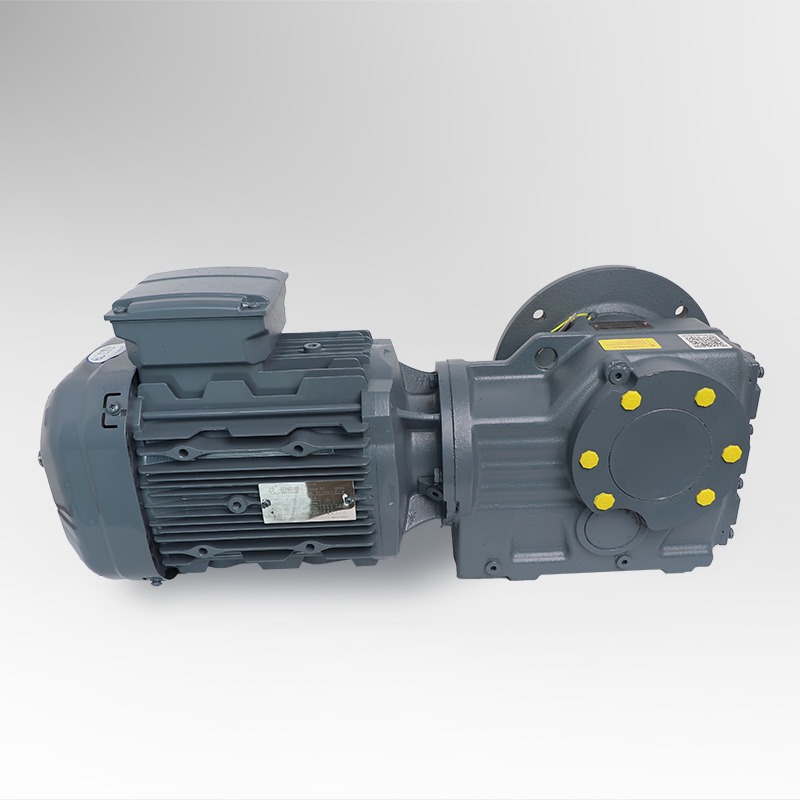
A worm gearbox transmission, also known as a worm drive, is a type of gear system in which a worm (a gear shaped like a screw) meshes with a gear wheel, often referred to as the worm wheel. Unlike other gear systems, where gears are typically in direct alignment, the worm gear operates at a right angle to the worm wheel, creating a 90-degree intersection. This unique setup allows for a compact design, reduced noise, and efficient power transfer, even under heavy loads.
Worm gearboxes are widely used in industries where precision and efficiency are critical. Common applications include conveyors, automotive mechanisms, lifts, and robotics, where space constraints and noise reduction are a primary concern.
The primary differentiator between worm gear transmission and other gear types, such as helical, bevel, or spur gears, lies in their design. Worm gears are unique because of their helical shape and screw-like geometry, which leads to a non-parallel, non-intersecting engagement between the worm and the worm wheel. In contrast, most other gear systems utilize straight or angled gears that mesh directly with each other.
Comparison of Gear System Designs
| Gear Type | Gear Mesh | Angle of Engagement | Power Transfer Efficiency | Typical Applications |
|---|---|---|---|---|
| Worm Gear | Helical | 90 degrees | High efficiency at low speeds | Conveyors, Lifts, Robotics |
| Helical Gear | Spiral | Parallel or angled | High efficiency at medium speeds | Automotive, Machinery |
| Bevel Gear | Conical | 90 degrees | High efficiency at high loads | Power Transmission |
| Spur Gear | Straight | Parallel | Moderate efficiency | General Machinery |
Worm gears are known for their ability to handle high levels of torque while operating at lower speeds. This feature is particularly advantageous in applications requiring significant power reduction and torque multiplication. The unique structure of the worm gear allows for efficient power transfer even with an uneven load distribution.
However, this setup also introduces certain efficiency trade-offs. While worm gears excel at handling heavy loads, they may have lower efficiency than other systems when operating at higher speeds, especially if there is significant friction between the worm and the wheel. In contrast, helical or spur gears tend to have higher overall efficiency, especially in high-speed applications.
One of the standout features of worm gear transmissions is their self-locking ability. In certain configurations, the worm gear can prevent back driving — meaning the output gear cannot move without input. This is an essential feature in applications such as lifts, winches, and other devices where the load must be held in place when power is turned off.
This self-locking characteristic sets worm gears apart from other gear systems, where additional mechanisms like brakes or clutches are required to achieve a similar effect.
Worm gearboxes are particularly valued in applications where space is limited. The design of the worm gear allows for a compact and efficient transfer of power in tight spaces. In comparison, other gear systems, such as helical or bevel gears, often require larger setups to achieve the same power transmission, making worm gears ideal for small, confined spaces.
Worm gears operate with relatively low noise and vibration compared to other gear systems. This is due to their design, which involves gradual contact between the worm and the worm wheel, reducing shock loads. For industries where noise and vibration reduction are important — such as in automated systems or residential elevators — worm gearboxes are often preferred.
Worm gearboxes are particularly suited for specific applications where their characteristics—such as high torque, self-locking ability, and space efficiency—are needed. Some common industrial uses include:
Applications of Worm Gearboxes
| Industry/Application | Key Benefit | Specific Use Case |
|---|---|---|
| Automotive | High torque in tight spaces | Transmission systems in vehicles |
| Conveyor Systems | Efficient power transfer | Moving heavy goods in manufacturing |
| Lifts and Escalators | Self-locking feature | Preventing load movement when idle |
| Winches/Hoists | Precise load control | Lifting heavy loads in construction |
High Torque Capability: Worm gears are able to provide a significant amount of torque relative to their size, making them ideal for applications that require heavy lifting or turning force.
Compact Design: Their unique configuration allows worm gears to be used in space-constrained environments, unlike other gear systems that may require larger or more complex arrangements.
Self-Locking Mechanism: As mentioned earlier, this feature provides a safety benefit in applications where it is essential to maintain position without external braking mechanisms.
Minimal Backlash: Worm gear systems can be designed to minimize backlash, offering a more precise transmission, especially in systems requiring fine control.
While worm gears have many advantages, they are not without their challenges. The primary limitation lies in their efficiency losses due to friction, especially in high-speed applications. Additionally, the manufacturing precision required for worm gears can be more demanding, which may increase the cost compared to simpler gear systems like spur or helical gears.
Worm gearbox transmissions stand apart from other gear systems due to their unique design, self-locking abilities, and high torque transmission capabilities. Though they may not be the most efficient choice for every application, their advantages make them indispensable in specific industries where power transfer, space efficiency, and load control are paramount. Understanding the key differences and applications of worm gears is essential for industries looking to optimize their mechanical systems.
The key advantage of a worm gear system is its ability to provide high torque and a self-locking feature, making it ideal for applications where load control is crucial.
Worm gearboxes are compact and efficient, offering high power transmission in confined spaces, unlike larger gear systems like helical or bevel gears.
While worm gears are efficient at low speeds and heavy loads, they typically experience higher friction and may be less efficient at high speeds compared to other gear systems.
Worm gears are generally better suited for low-speed applications, as their efficiency decreases at higher speeds due to friction losses.
Industries such as automotive, manufacturing, and construction benefit greatly from worm gearboxes due to their high torque, self-locking, and compact design.
Recommended Products



 EN
EN  English
 Español
 русский