

 EN
EN  English
 Español
 русский
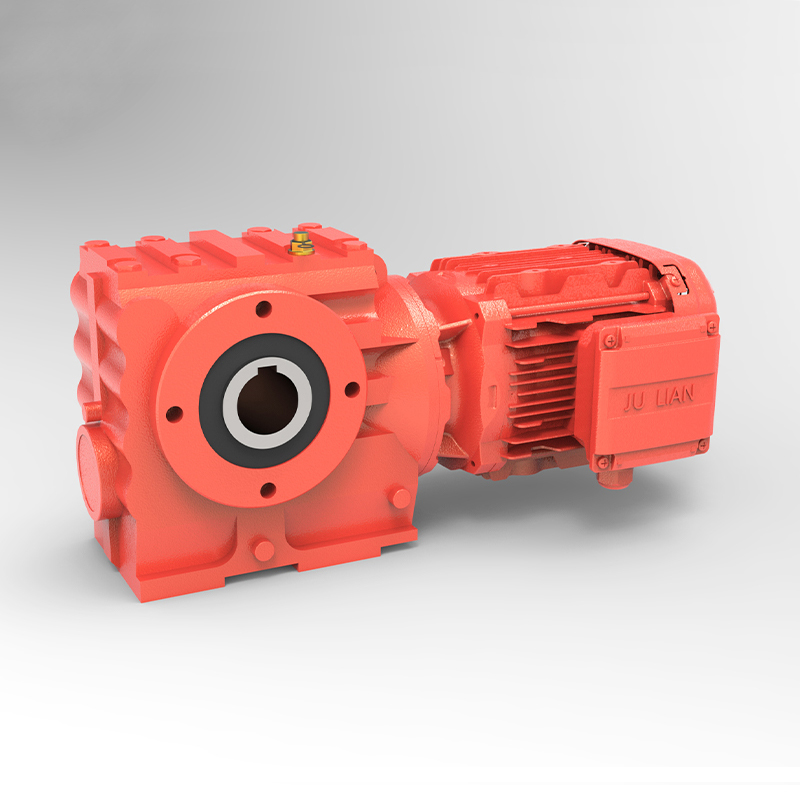
A worm gear reducer is a highly efficient mechanical device used for torque multiplication and speed...
READ MOREJS Series Helical Gear-worm Gear Reduction Motor Company
 Home / Products / Helical Gear Hard Tooth Surface Reducer / JS Series Helical Gear-worm Gear Reduction Motor
 Classification
Parameters:
A worm gear reducer is a highly efficient mechanical device used for torque multiplication and speed...
READ MOREIntroduction In modern industrial applications, the need for precision and efficiency is paramount. ...
READ MOREIntroduction Helical gear reducers are widely used in industries such as manufacturing, automotive, ...
READ MOREIntroduction In modern industrial machinery, efficiency is crucial. One of the key components that c...
READ MOREIntroduction In the world of mechanical engineering and machinery, gearboxes are crucial components ...
READ MOREIntroduction Gears are critical components in machinery, converting motion and torque from one shaft...
READ MOREWhen selecting a JS series helical gear-worm gear motor, there are several key parameters to consider to ensure that the motor can meet the needs of a specific application. Here are some of the main parameters:
Power: Select the appropriate motor power to meet the load requirements. Too little power may cause the motor to be overloaded, and too much power may waste energy.
Output Torque: Ensure that the motor's output torque can support the required workload. The required rated torque can be calculated based on the application.
Gear Ratio: The gear ratio determines the relationship between the motor's output speed and input speed. Selecting the appropriate gear ratio can achieve the required speed and torque.
Rated Speed: Select the appropriate rated speed to ensure that the motor can operate effectively under specific operating conditions.
Mounting Type: Select the appropriate mounting type (such as horizontal, vertical, or other mounting methods) based on the application requirements to ensure that the motor can work properly in a specific environment.
Operating Environment: Consider the operating environment in which the motor will be located, including temperature, humidity, dust, and other factors that may affect the performance of the motor.
Cooling Method: Select the appropriate cooling method (such as natural cooling or forced cooling) according to the motor power and working environment to prevent overheating.
Efficiency: Select a high-efficiency motor to reduce energy consumption and improve the overall performance of the system.
Noise Level: Select a motor with a lower noise level according to the application requirements to avoid affecting the working environment or user experience.
Vibration: Consider the vibration characteristics of the motor to ensure that there is no excessive vibration during operation, which may affect other equipment or systems.
Service Life: Consider the expected life of the motor and select wear-resistant and high-reliability materials to increase the service life.