

 EN
EN  English
 Español
 русский
A worm gear reducer is a highly efficient mechanical device used for torque multiplication and speed...
READ MOREJF Series Parallel Shaft-helical Gear Reducer Company
 Home / Products / Helical Gear Hard Tooth Surface Reducer / JF Series Parallel Shaft-helical Gear Reducer
 Classification
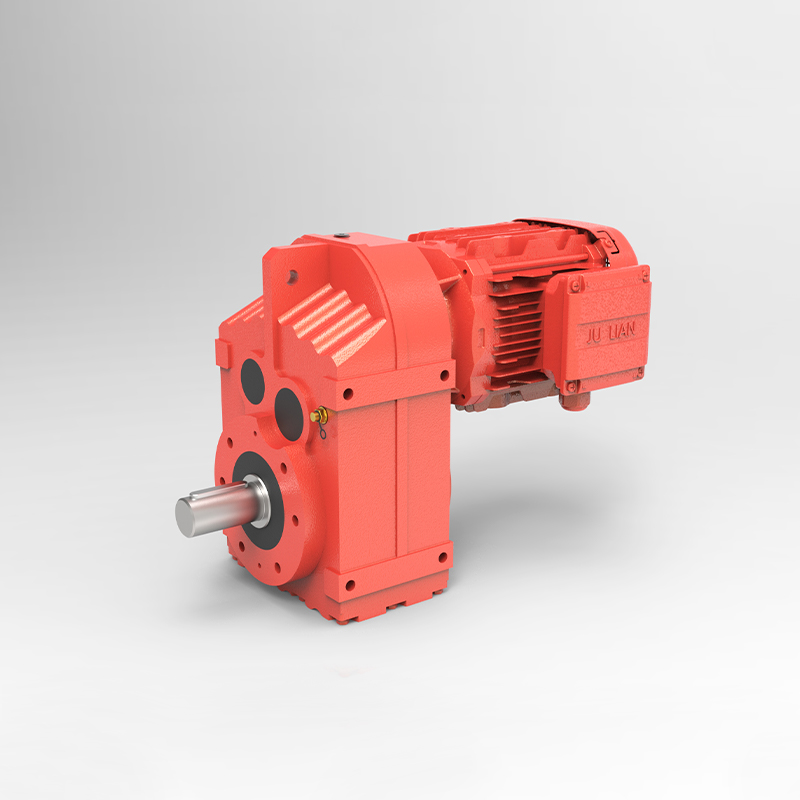
Parameters:
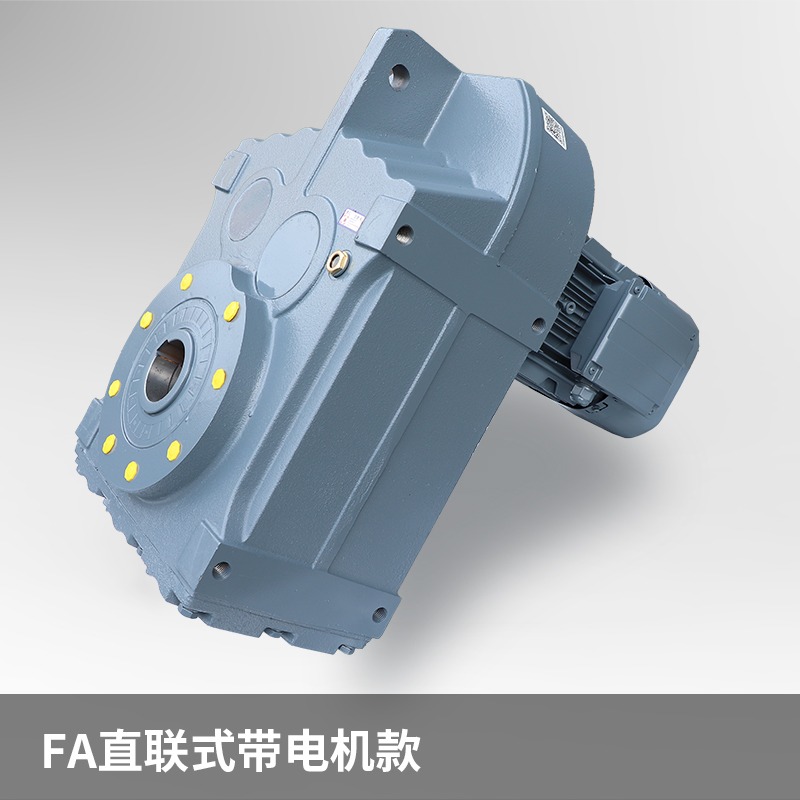
Parameters:
A worm gear reducer is a highly efficient mechanical device used for torque multiplication and speed...
READ MOREIntroduction In modern industrial applications, the need for precision and efficiency is paramount. ...
READ MOREIntroduction Helical gear reducers are widely used in industries such as manufacturing, automotive, ...
READ MOREIntroduction In modern industrial machinery, efficiency is crucial. One of the key components that c...
READ MOREIntroduction In the world of mechanical engineering and machinery, gearboxes are crucial components ...
READ MOREIntroduction Gears are critical components in machinery, converting motion and torque from one shaft...
READ MOREWhen dealing with the failure of JF series parallel shaft helical gear reducer, you can follow the following steps:
1. Troubleshooting
Observe the operating status: pay attention to whether the noise, vibration, temperature, etc. of the reducer are abnormal. Check for oil leakage.
Check the load: confirm whether the equipment is overloaded and whether the load is within the rated range of the reducer.
2. Check the lubricant
Oil level and oil quality: check whether the oil level is normal and whether the oil quality is deteriorated (such as impurities, discoloration or odor).
Replace the lubricant: If the lubricant is unqualified, it should be replaced in time to ensure that there is enough and appropriate lubricant in the reducer.
3. Check gear meshing
Gear wear: disassemble the reducer and check the wear of the gears and bearings, especially the contact surface of the helical gears.
Alignment: confirm the alignment of the reducer with the motor or other equipment to ensure that there is no excessive axial or radial load.
4. Check the electrical system
Motor inspection: check whether the motor is working properly, including the power supply voltage, whether the wiring is firm, and whether the insulation is good.
Control system: Check whether the control system has any faults, such as whether the start, stop and speed adjustment are normal.
5. Maintenance and care
Regular maintenance: Follow the maintenance cycle recommended by the manufacturer, and clean and check regularly, especially the lubrication system and seals.
Fault record: Record the time, situation and treatment measures of the fault for subsequent analysis and improvement.
6. Ask professionals for assistance
Technical support: If the fault cannot be solved by yourself, it is recommended to contact professional maintenance personnel or manufacturers for technical support.
Training and guidance: Provide necessary training for operators to ensure that they master the correct operation and maintenance methods.
7. Replace damaged parts
Replace gears or bearings: For severely worn or damaged parts, they should be replaced in time to prevent affecting the performance and safety of the reducer.
8. Perform fault analysis
Summarize the cause of the fault: After the fault is handled, analyze the root cause of the fault and formulate improvement measures to avoid similar problems from happening again.